
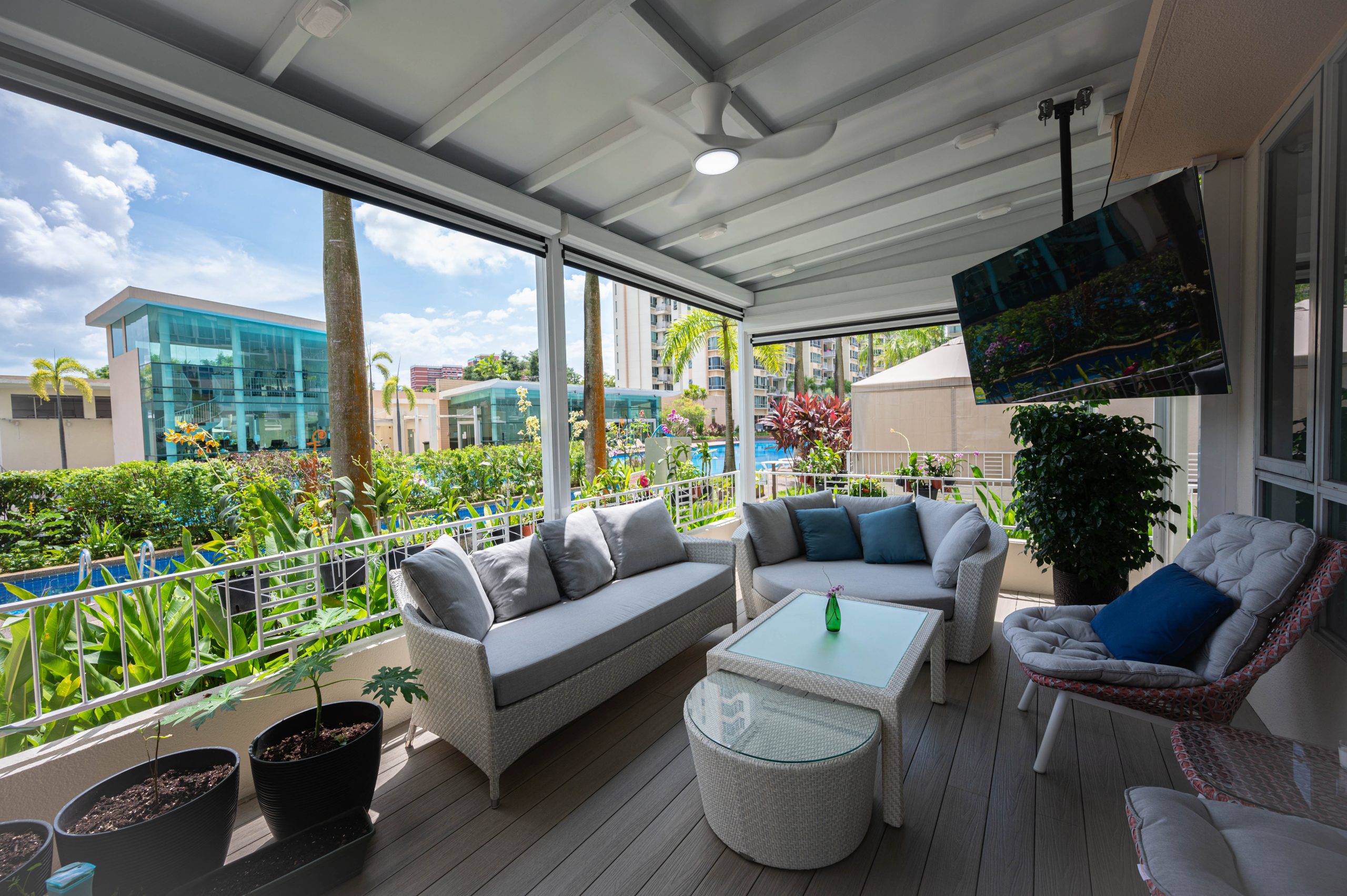
Condo Interior Design and Renovation Singapore: Costs, MCST Rules and Design Ideas
TL;DR: Condo renovation in Singapore gives you more design freedom than HDB but requires MCST approval for your renovation plans, with structural changes to load bearing walls generally prohibited and work restricted to set hours on weekdays and Saturdays. A luxury 3 to 4 bedroom resale condo renovation typically costs $150,000 to $250,000, with carpentry and built ins taking up the largest share of the budget, and the process runs through planning, MCST approval, execution and handover over roughly 1 to 3 months. Interior Diary works across Modern Luxury and the calmer Japandi and Wabi-sabi aesthetics, pairing natural materials, smart home integration and bespoke carpentry to build a tranquil, high end living space.
Condo Renovation in Singapore: Rules, Costs and Design Ideas at a Glance
Owning a condominium in Singapore is often accompanied by the exciting prospect of transforming it into a luxurious, personal sanctuary. Unlike the structured regulations of HDB or BTO flats, condo renovation Singapore offers a unique blend of freedom and complexity. You have more leeway in design, but you must navigate the specific rules set by your Management Corporation Strata Title (MCST).
This comprehensive guide is designed to be your essential roadmap. We will delve into the critical regulations, provide a realistic breakdown of costs for a luxury renovation, and explore the most sought-after design trends.
Understanding the Condo Renovation Landscape in Singapore
The first and most crucial step in any condo renovation Singapore project is understanding the regulatory environment. While private property owners enjoy greater freedom compared to HDB flat owners, this freedom is governed by the Management Corporation Strata Title (MCST) of your specific development.
The Critical Role of the MCST

The MCST is the governing body responsible for managing and maintaining the common property of a strata-titled development, such as a condominium. Their primary role during a renovation is to ensure that your works do not compromise the structural integrity of the building, affect common services, or cause undue disturbance to other residents.
Key MCST Regulations to Note:
•Permit Application: You must submit a detailed renovation application to the MCST for approval before any work begins. This application typically includes floor plans, scope of work, and a timeline.
•Working Hours: Renovation work is strictly limited to specific hours, usually 9:00 AM to 5:00 PM on weekdays, and sometimes a shorter window on Saturdays. Noisy works like hacking are often restricted further.
•Structural Changes: Any alteration to load-bearing walls, columns, or beams is strictly prohibited and requires approval from the Building and Construction Authority (BCA), which is rarely granted for private renovations.
•Common Areas: Your contractor is responsible for protecting common areas (lifts, corridors, lobbies) and ensuring they are cleaned daily. A security deposit is often required by the MCST to cover potential damages.
Failing to adhere to MCST rules can result in stop-work orders, forfeiture of your security deposit, and even legal action. This is why engaging an experienced interior designer who is familiar with local condo regulations is non-negotiable.
Key Differences: Condo vs. HDB/BTO Renovation

Understanding the differences between renovating a condo and a public housing flat is essential for setting expectations and budgeting.
| Feature | Condo Renovation | HDB/BTO Renovation |
| Governing Body | MCST (Management Corporation Strata Title) | HDB (Housing & Development Board) |
| Structural Changes | Generally prohibited (load-bearing walls, beams). | Strictly regulated, but some non-load-bearing walls can be removed with HDB approval. |
| Wet Works | More flexibility in bathroom/kitchen layout changes. | Restricted to specific areas and often requires waterproofing checks. |
| Timeline | Set by MCST, typically 1 to 3 months for completion. | Set by HDB, typically 3 months for general works. |
| Design Freedom | High, allowing for luxury materials and bespoke designs. | Moderate, with restrictions on certain fixtures and materials. |
The higher degree of design freedom in a condo is what allows for the creation of truly luxurious and customised spaces, which is the focus of the next section.
1 Bedroom Condo Interior Design in Singapore
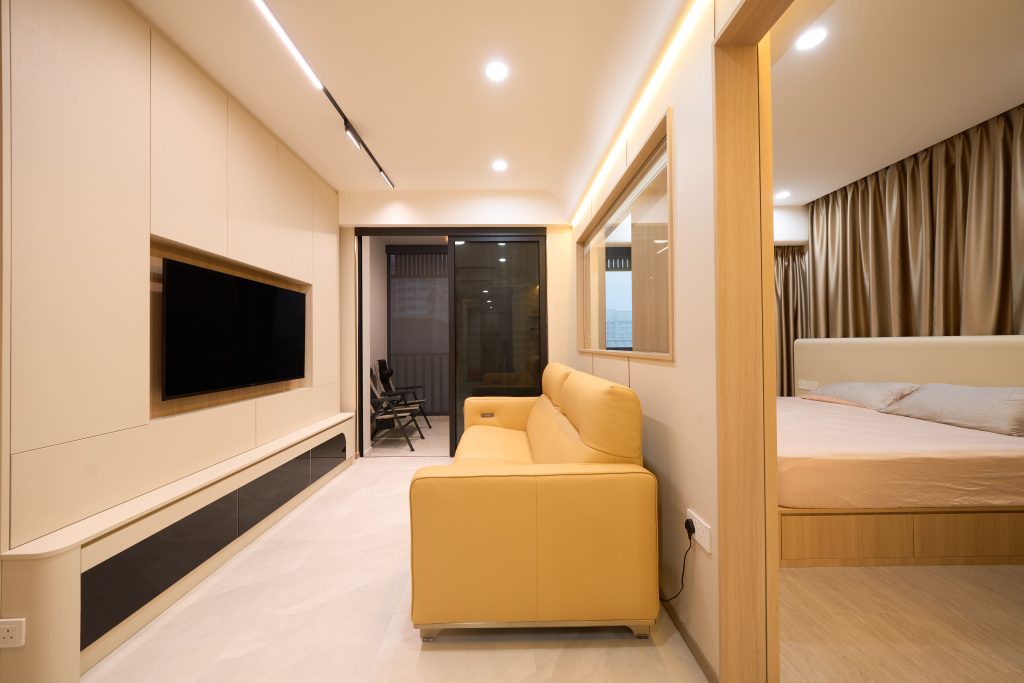
Most one bedroom condos in Singapore fall between 400 and 600 square feet, with shoebox units at the smaller end. Owners are usually singles, young couples, or investors renting the unit out, so the design has to work hard in a small footprint.
The main decision is how much you separate. Full height walls between the living area and the bedroom make both halves feel cramped. Glass partitions, sliding panels or a half height divider keep sight lines open and let daylight reach the whole unit. If you plan to rent it out, a proper door still matters for privacy, so a sliding panel or frosted glass door is usually the better compromise.
Storage is the other pressure point. One bedroom units rarely have a store room, so built in carpentry has to absorb everything. Full height wardrobes, a bed frame with drawers underneath, and a slim console that doubles as a work desk will free up most of your floor area.
Keep the palette light and consistent across the whole unit. Using one flooring material throughout, instead of switching between rooms, makes a small layout read as one continuous space rather than a series of small ones.
2 Bedroom Condo Interior Design in Singapore
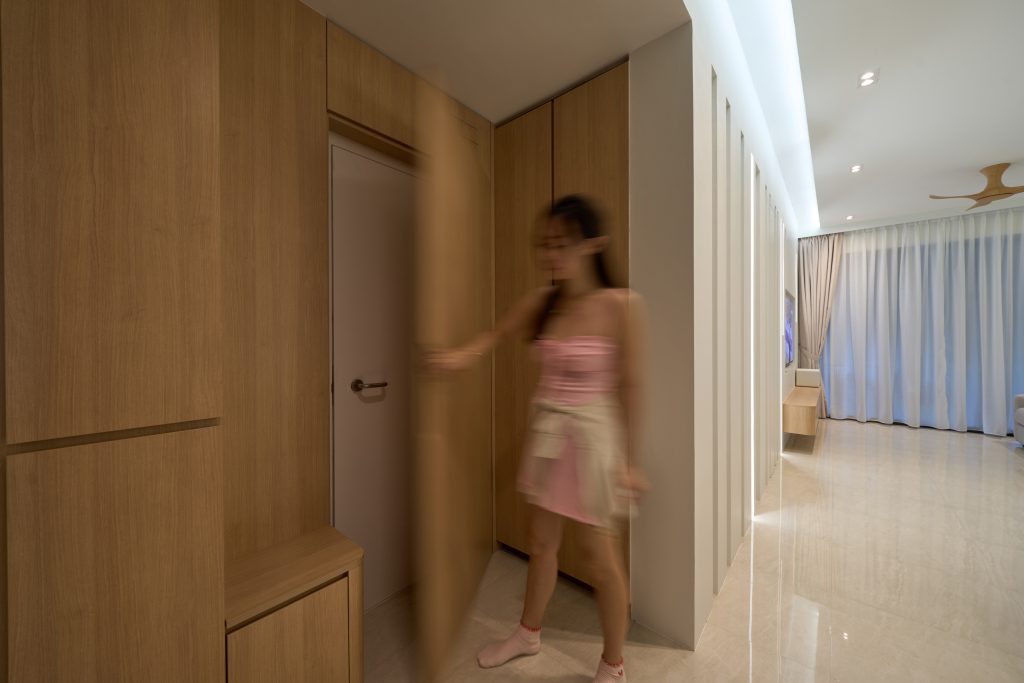
Two bedroom condos usually run between 700 and 900 square feet and are the most common condo layout in Singapore. They suit couples, small families, and owners who want a spare room that doubles as a study or guest room.
The household shelter is the constraint that catches most owners out. Condos built from the late 1990s onwards have one, it usually sits inside or beside the second bedroom, and SCDF rules mean it cannot be hacked, moved or drilled into. You can paint it and build carpentry around it, but the walls and door stay put. Plan the second bedroom around that box rather than assuming it can go.
That shelter is also why the second bedroom is often the weakest part of the layout. If you do not need a full second bedroom, opening it up with a glass partition turns it into a study that borrows light from the living area and can still be closed off when you need it.
The kitchen is the other big decision. Many two bedroom units come with a closed galley kitchen. Opening it up gives you a much better living and dining space, but check with your MCST first, since some developments restrict changes to the kitchen wall.
3 Bedroom Condo Interior Design in Singapore
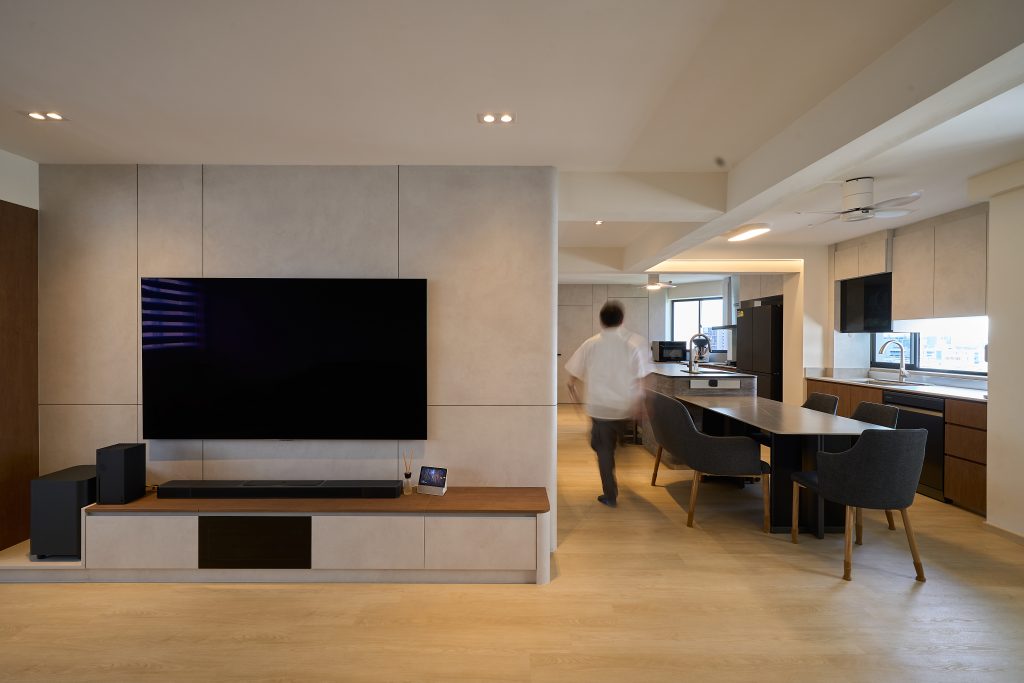
Three bedroom condos typically sit between 1,000 and 1,300 square feet and are usually bought by families planning to stay long term. You have more room to work with, so the design decisions shift from squeezing space to making the layout suit how you actually live day to day.
The master bedroom is where most of the budget goes. Larger three bedroom units often have an en suite bathroom and enough room for a walk in wardrobe, either as a separate dressing area or as a full height carpentry run along one wall.
The kitchen is the second big decision. If you cook often with high heat, splitting it into a wet and dry kitchen keeps grease and smell out of the living area while still giving you an open counter for prep and casual meals. This usually needs a glass partition and separate ventilation, so budget for it early rather than adding it later.
Structural changes are more tempting at this size and more restricted than most owners expect. Load bearing walls, columns and beams cannot be touched, and every renovation plan needs MCST approval before work starts. Your designer should check the approved floor plan first, because the wall you want to remove is often holding the building up.
The Luxury Factor: Design Ideas for a High-End Condo
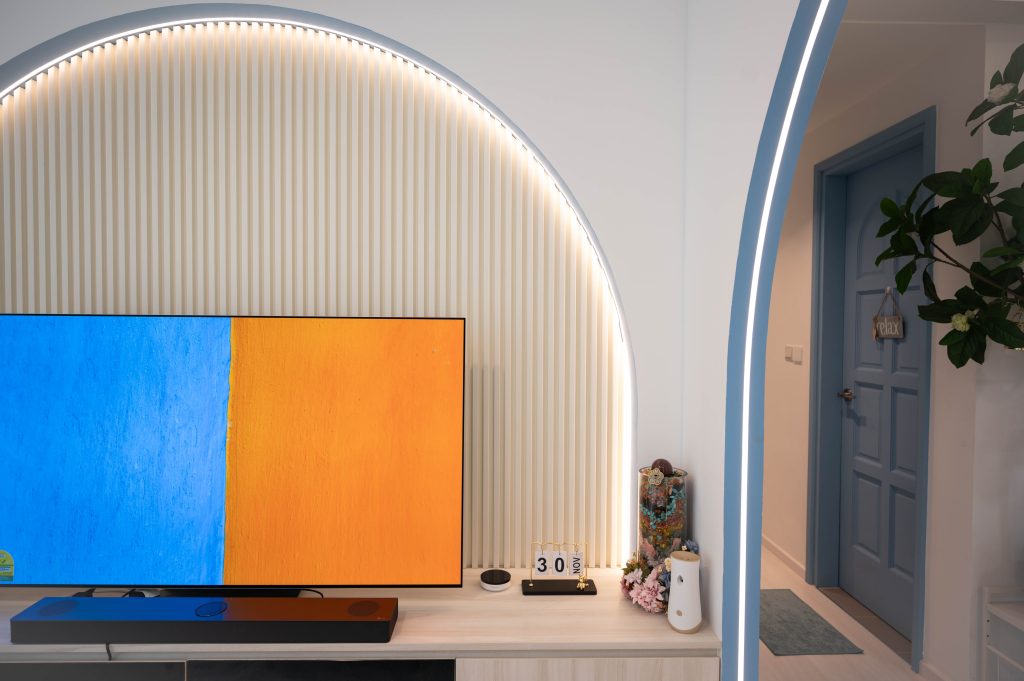
Luxury in a Singapore condo is not just about expensive materials; it is about creating a sophisticated, highly functional, and deeply personal environment. It is the art of maximising space, light, and flow to elevate the daily living experience.
Modern Luxury: Sleek Lines and Premium Materials
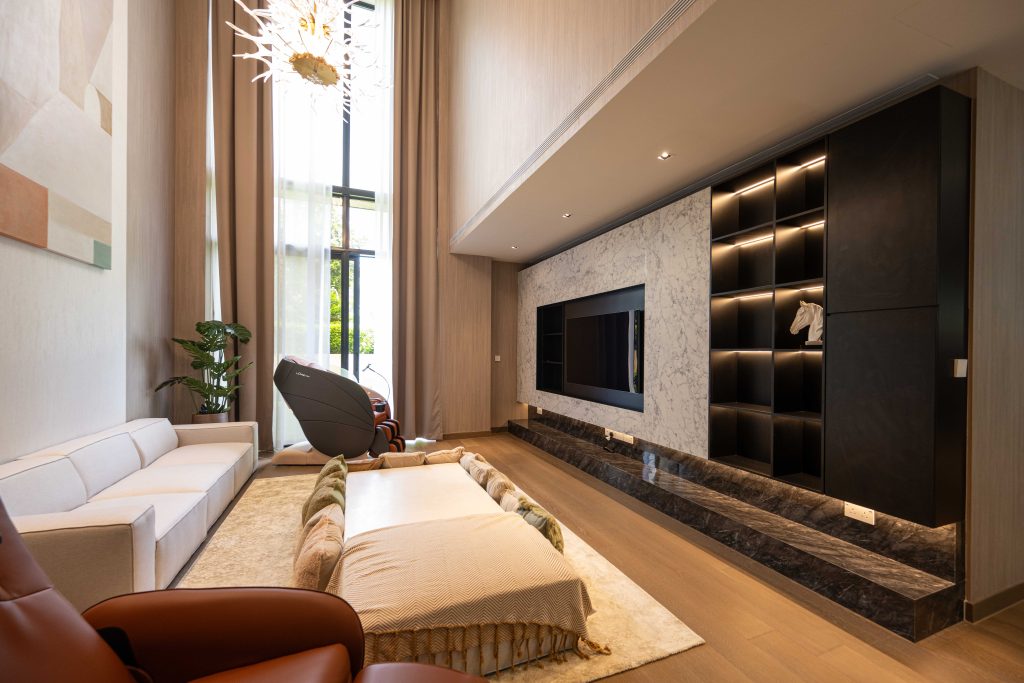
The foundation of a luxury condo design often lies in a Modern Luxury aesthetic. This style is characterised by clean, unadorned lines, open-plan living, and a curated selection of high-quality, durable materials.
•Marble and Stone: Large format marble slabs, particularly in the kitchen and bathrooms, instantly convey opulence. Quartz and sintered stone are also popular for their durability and seamless look.
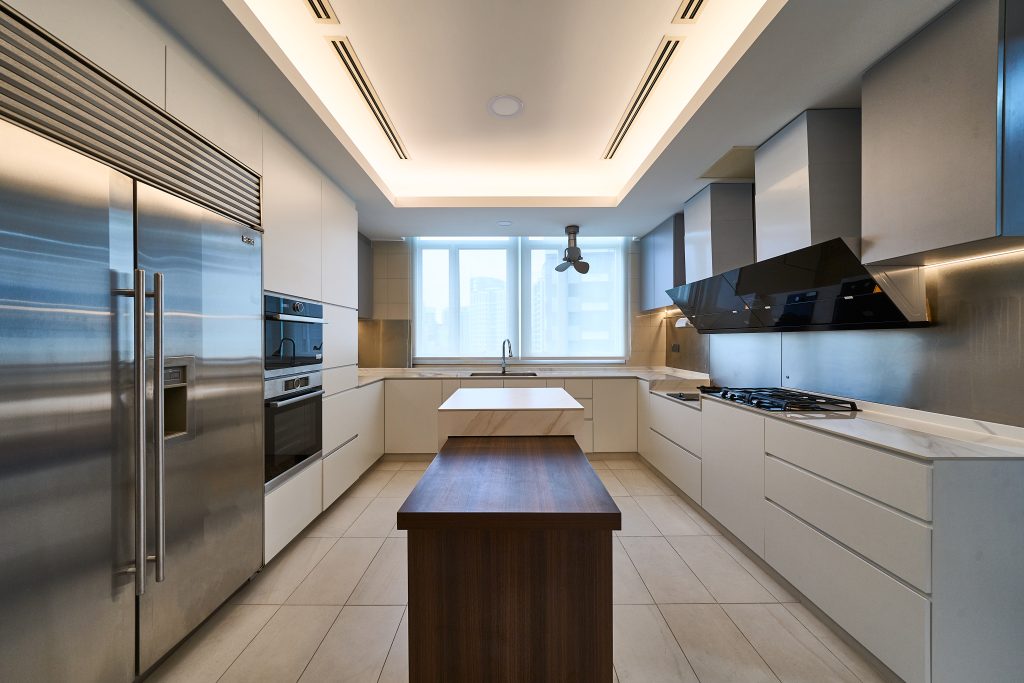
•Metallic Accents: Brushed brass, matte black, and rose gold are used sparingly but effectively in fixtures, lighting, and hardware to add a touch of glamour.
•Textural Contrast: Pairing smooth, polished surfaces (like glass and lacquer) with rich, tactile textures (like velvet, linen, and dark wood veneers) adds depth and warmth to the space.
The Seamless Integration of Smart Home Technology

In a luxury condo renovation Singapore, technology should be felt, not seen. The goal is to integrate smart systems so seamlessly that they become an intuitive part of the home’s function.
•Automated Lighting and Climate: Systems that adjust lighting colour and intensity based on the time of day or mood, and climate control that learns your preferences, are standard.
•Hidden Entertainment: Televisions that retract into ceilings or walls, and speakers that are flush-mounted and painted over, maintain the clean aesthetic of a luxury space.
•Security and Access: Keyless entry, smart surveillance, and integrated intercom systems provide both convenience and peace of mind.
Bespoke Carpentry and Space Optimisation

Given Singapore’s premium on space, bespoke carpentry is a hallmark of luxury condo design. It is the key to achieving a clutter-free, highly organised, and visually cohesive home.
•Integrated Storage: Floor-to-ceiling cabinets, hidden utility rooms, and custom-built wardrobes are designed to blend into the walls, making the space feel larger and more streamlined.
•Multi-Functional Furniture: Custom-designed pieces that serve dual purposes—such as a hidden study desk within a living room cabinet or a dining table that extends from a kitchen island—are essential for maximising utility without sacrificing style.

•Feature Walls: Custom-built feature walls, often incorporating lighting and shelving, serve as the focal point of the living area, showcasing the designer’s attention to detail and craftsmanship.
Embracing Serenity: Japandi and Wabi-Sabi Luxury

While Modern Luxury is defined by its polish, a growing trend in high-end condo renovation Singapore is a move towards a quieter, more grounded form of luxury. This is where the aesthetics of Japandi and Wabi-sabi come into play, offering a sanctuary of calm amidst the city’s hustle. Interior Diary has established itself as a leader in translating these tranquil philosophies into luxurious, liveable spaces.
Japandi: The Fusion of Form and Function
Japandi is the harmonious blend of Japanese minimalism and Scandinavian hygge (cosiness). It takes the best of both worlds: the clean lines, functionality, and light palette of Nordic design, and the natural materials, craftsmanship, and serenity of Japanese aesthetics.
Key Elements of Japandi Design:

•Colour Palette: Muted, earthy tones, think warm neutrals, soft greys, beige, and off-whites, punctuated by deep, calming colours like charcoal or indigo.
•Materials: A strong emphasis on natural, high-quality materials. Light woods (like oak or ash) from Scandinavia are paired with darker, richer woods (like walnut) from Japan.
•Furniture: Low-profile, simple, and highly functional furniture. Pieces are chosen for their quality and longevity, not their quantity.
•Lighting: Soft, diffused lighting, often using paper lanterns or simple, sculptural fixtures, to create a warm, inviting glow.
Wabi-Sabi: Finding Beauty in Imperfection
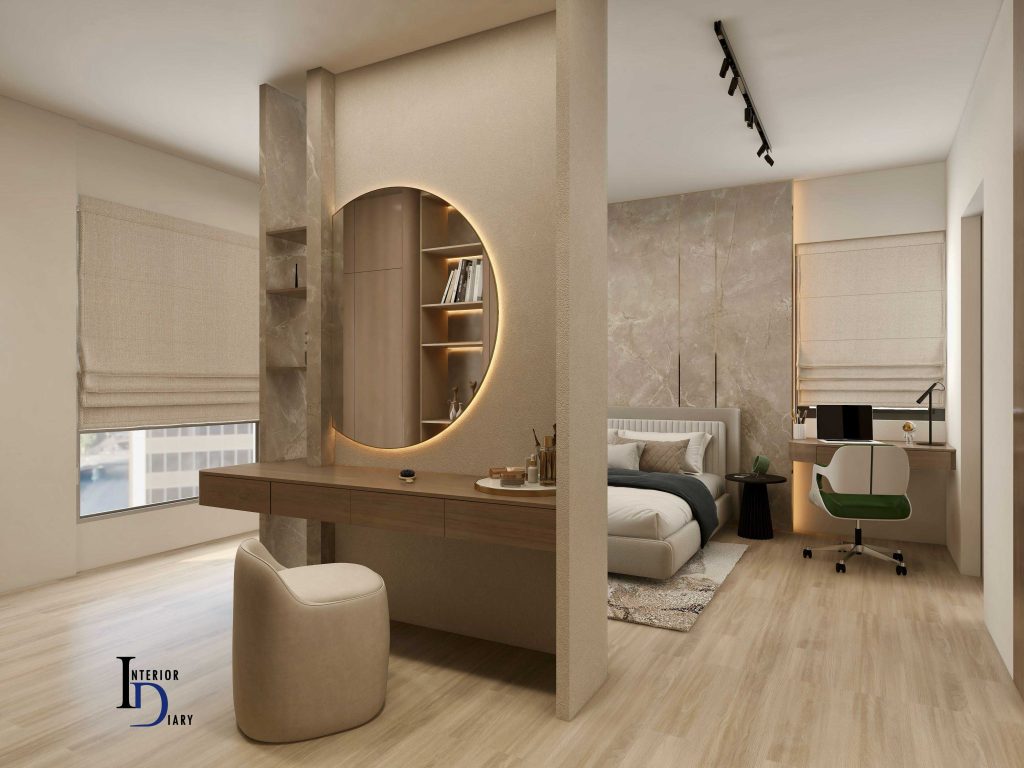
Wabi-Sabi is a Japanese philosophy that celebrates the beauty of imperfection, transience, and the natural cycle of growth and decay. In interior design, this translates to a raw, authentic, and deeply soulful aesthetic. It is the ultimate form of quiet luxury, where the focus is on texture, authenticity, and the story of the materials.
•Authentic Textures: Rough-hewn wood, hand-thrown ceramics, textured plaster walls, and natural stone are favoured. These materials show their age and wear, which is celebrated as part of their beauty.
•Asymmetry and Irregularity: Unlike the perfect symmetry of traditional luxury, Wabi-sabi embraces asymmetry. Furniture and decor are placed organically, creating a relaxed, unpretentious feel.
•Natural and Organic Forms: Furniture often features rounded, organic shapes, moving away from sharp, industrial lines. The focus is on comfort and connection to nature.
Interior Diary’s Expertise in Tranquil Design
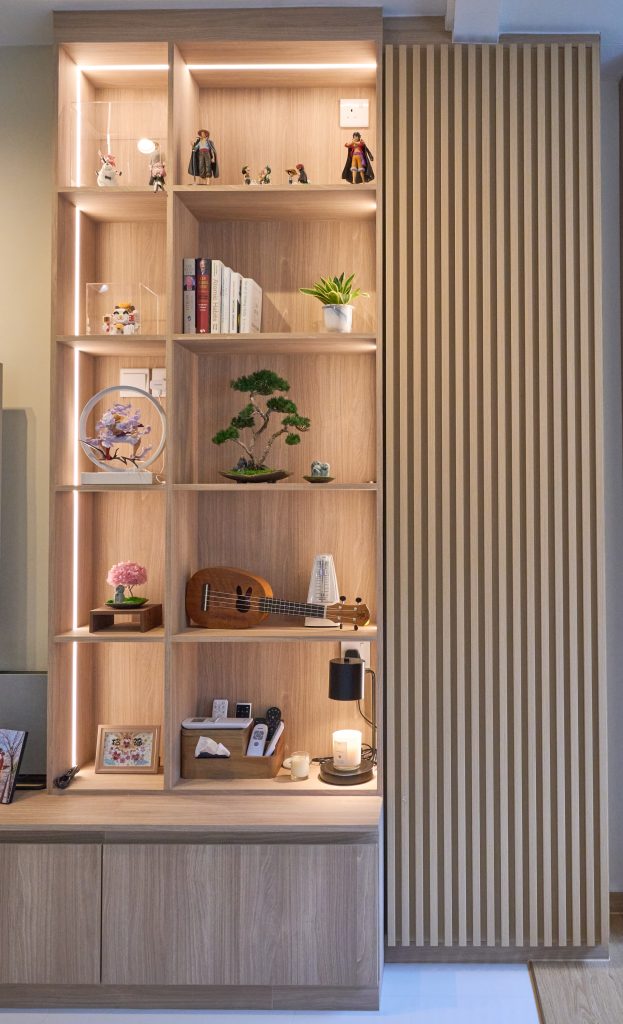
Interior Diary specialises in bringing the serene luxury of Japandi and Wabi-sabi to condo renovation Singapore projects. They understand that in a high-density urban environment, the home must serve as a retreat.
“True luxury is not about flashiness; it’s about the quality of life and the feeling of peace your home provides. Our Japandi and Wabi-sabi designs focus on creating a tranquil, uncluttered environment using premium, natural materials that age gracefully and tell a story.”
By focusing on bespoke, high-quality finishes and a minimalist approach, Interior Diary ensures that the luxury is inherent in the design and materials, not just the ornamentation. This approach is particularly effective in condos, where the emphasis on clean lines and space-saving functionality perfectly aligns with the Japandi ethos.
Condo Renovation Singapore Cost Breakdown: What to Budget
One of the most critical aspects of planning your luxury condo renovation Singapore is establishing a realistic budget. Costs can vary dramatically based on the size of your unit, whether it is a new or resale property, the complexity of the design, and the quality of materials chosen.
New vs. Resale Condo Renovation Costs
Resale condos typically require a significantly higher budget than new units because they often involve extensive hacking, re-wiring, re-piping, and full bathroom/kitchen overhauls.
| Condo Type | Size (Approx.) | Estimated Basic Renovation Cost (S$) | Estimated Luxury Renovation Cost (S$) |
| New Condo | 2-Bedroom (700-900 sq ft) | $40,000 – $60,000 | $60,000 – $100,000+ |
| New Condo | 3/4-Bedroom (1,000-1,500 sq ft) | $55,000 – $80,000 | $80,000 – $150,000+ |
| Resale Condo | 2-Bedroom (700-900 sq ft) | $70,000 – $100,000 | $100,000 – $180,000+ |
| Resale Condo | 3/4-Bedroom (1,000-1,500 sq ft) | $90,000 – $150,000 | $150,000 – $250,000+ |
Note: These figures are estimates for 2025/2025 and can fluctuate based on material costs and contractor availability.
Factors Influencing the Final Renovation Price
Several key factors will push your renovation budget towards the higher end of the luxury spectrum:
1.Scope of Wet Works: The cost of overhauling bathrooms and the kitchen (hacking, waterproofing, re-tiling) is a major expense. Luxury renovations often involve moving plumbing points and using premium fixtures.
2.Bespoke Carpentry: Custom-built cabinets, wardrobes, and feature walls are more expensive than off-the-shelf furniture but are essential for a luxury, seamless look.
3.Material Selection: Choosing premium materials like imported marble, high-end European fittings, and solid wood flooring will significantly increase the cost.
4.Design Complexity: Intricate ceiling designs, specialised lighting plans, and complex spatial reconfigurations require more skilled labour and time.
5.Smart Home Integration: Installing a comprehensive, fully integrated smart home system adds a substantial cost, but is a defining feature of modern luxury.
A Detailed Cost Estimate Table
To help you visualise where your budget will be allocated, here is a typical breakdown for a luxury 3-bedroom resale condo renovation Singapore (estimated budget: S$180,000).
| Category | Estimated Percentage of Total Budget | Estimated Cost (S$) | Scope of Work (Luxury) |
| Design & Consultation | 5% – 10% | $9,000 – $18,000 | Professional ID fees, 3D renderings, project management. |
| Hacking & Demolition | 5% – 8% | $9,000 – $14,400 | Full demolition of existing fixtures, walls (non-structural), and tiles. |
| Wet Works (Tiling & Plumbing) | 15% – 20% | $27,000 – $36,000 | Premium large-format tiles, new piping, high-end sanitary fittings. |
| Carpentry & Built-ins | 30% – 40% | $54,000 – $72,000 | Custom wardrobes, kitchen cabinets, feature walls, and storage. |
| Electrical & Lighting | 10% – 15% | $18,000 – $27,000 | Full re-wiring, smart home integration, sophisticated lighting plan. |
| Ceiling & Painting | 5% – 8% | $9,000 – $14,400 | False ceilings for lighting, premium paint finishes. |
| Flooring | 8% – 12% | $14,400 – $21,600 | Solid wood, engineered wood, or premium vinyl/laminate. |
| Miscellaneous | 5% – 10% | $9,000 – $18,000 | Cleaning, haulage, MCST deposit, and contingency. |
The Renovation Process: A Step-by-Step Guide
A successful luxury condo renovation Singapore is a well-managed project. Following a structured process ensures compliance, quality, and a smooth experience.
Phase 1: Planning and Design
This is the most crucial phase. It involves:
1.Needs Assessment: Defining your lifestyle, aesthetic preferences (e.g., Japandi, Modern Luxury), and functional requirements.
2.Site Measurement: Detailed measurement of the existing space.
3.Concept Development: The interior designer presents mood boards, 2D layouts, and 3D renderings.
4.Material Selection: Finalising all materials, fixtures, and fittings, which directly impacts the luxury feel and cost.
Phase 2: Regulatory Approval (MCST)
Once the design is finalised, your interior designer will prepare the necessary documents for submission.
1.Contractor Documentation: Submission of the contractor’s details, insurance, and work schedule.
2.Renovation Permit: Submission of the detailed renovation plans to the MCST for approval. This process can take anywhere from one to four weeks.
3.BCA Approval (If Required): For minor non-structural works like air-conditioner installation or window replacement, separate approvals may be needed from the BCA or other relevant authorities.
Phase 3: Execution and Construction
This is the physical transformation of your home, typically following this sequence:
1.Protection Works: Protecting common areas and the unit’s existing fixtures.
2.Hacking and Demolition: Removal of old walls, tiles, and fixtures.
3.Wet Works: Plumbing, electrical trunking, cement screeding, and waterproofing.
4.Tiling and Flooring: Installation of floor and wall tiles.
5.Ceiling and Painting: Installation of false ceilings and initial coats of paint.
6.Carpentry Installation: Installation of custom-built cabinets, wardrobes, and feature walls.
7.Final Fixtures: Installation of lights, sanitary fittings, glass works, and doors.
Phase 4: Handover and Final Touches
The final stage involves quality checks and moving in.
1.Defect Check: A thorough inspection of the entire unit to identify and rectify any defects or snags.
2.Professional Cleaning: A deep clean of the entire unit.
3.Handover: The designer hands over the completed unit and all warranties.
Essential Tips for a Smooth Condo Renovation
Navigating a luxury condo renovation Singapore can be complex, but these expert tips will help ensure a seamless and stress-free experience.
Choosing the Right Interior Designer

Your choice of interior designer is the single most important decision. For a luxury project, look for a firm with a proven track record in high-end condo renovations and a portfolio that aligns with your desired aesthetic, such as the serene and sophisticated designs of Interior Diary.
Questions to Ask Potential Designers:
•”Are you familiar with the MCST regulations in my specific development or similar ones?”
•”Can you provide a detailed breakdown of costs, separating materials, labour, and design fees?”
•”What is your experience with integrating smart home technology?”
•”Can I see examples of your work in Japandi or Wabi-sabi style?”
Managing Timelines and Noise Restrictions
Be realistic about the timeline. A luxury renovation, especially for a resale unit, will take longer than a basic refresh.
•Buffer Time: Always factor in a buffer of 2-4 weeks for unexpected delays, material sourcing issues, or MCST-related hold-ups.
•Communicate with Neighbours: Inform your immediate neighbours about the renovation schedule and the restricted noisy work hours. A little courtesy goes a long way in maintaining good relations.
Protecting Your Neighbours and Common Areas
The MCST will hold your security deposit until the renovation is complete and all common areas are inspected for damage.
•Mandatory Protection: Ensure your contractor installs robust protection for the lift interior, lift lobby, and corridors.
•Daily Clean-up: Insist on daily clean-up of the common areas to prevent dust and debris from becoming a nuisance to other residents.
Conclusion: Your Luxurious Condo Awaits
A condo renovation Singapore is a significant investment, but it is one that pays dividends in quality of life and property value. By understanding the regulatory framework, budgeting realistically for luxury finishes, and choosing a design aesthetic that resonates with you, whether it’s sleek Modern Luxury or the tranquil, grounded beauty of Japandi and Wabi-sabi, you can create a home that is truly exceptional.
The key to unlocking this potential lies in partnering with an interior design firm that possesses both the technical expertise to navigate MCST rules and the creative vision to execute a high-end design.
Ready to Transform Your Condo into a Tranquil Luxury Retreat?
Interior Diary is a leading specialist in creating bespoke, serene, and sophisticated living spaces in Singapore, with a deep focus on the timeless elegance of Japandi and Wabi-sabi design.
Don’t leave your dream home to chance.
Book an Appointment via Whatsapp with Interior Diary today to discuss your condo renovation. Our experts will guide you through every step, from MCST approval to the final, perfect detail.
If you have a smaller condo, check out our guide here.
Check out our HDB renovation guide series here, 2 Room, 3 Room, 4 Room, 5 Room and Executive flats.