

Executive HDB Renovation: Maximising Space and Style in Singapore’s Largest HDB Flats
The Executive HDB flat, comprising the Executive Apartment (EA) and Executive Maisonette (EM), represents a unique and highly sought-after segment of Singapore’s public housing landscape. These are the largest flats built by the Housing & Development Board (HDB), typically ranging from 130 to 150 square meters (1,400 to 1,600 sq ft). For many Singaporean families, this generous floor area offers the dream of spacious living, but it also presents a distinct set of challenges and opportunities when it comes to renovation.
This comprehensive guide is designed to help you unlock the full potential of your Executive HDB. We will delve into expert design ideas, navigate the crucial HDB regulations, and showcase how to transform your large flat into a tranquil, stylish sanctuary using the principles of Japandi and Wabi-sabi design, a specialty of Interior Diary.
Table of Contents
- Understanding the Executive HDB Advantage
- Navigating Singapore’s HDB Renovation Regulations
- Design Ideas for Maximising Your Executive HDB Space
- Embracing Japandi and Wabi-sabi in Your Executive HDB
- Executive HDB Renovation Cost and Timeline
- Conclusion and Call to Action
1. Understanding the Executive HDB Advantage
The sheer size of an Executive HDB flat is its most significant advantage. Unlike the more common 4-room or 5-room flats, EAs and EMs were designed with extra space, often including a dedicated study room, a larger balcony, or even a second floor in the case of a Maisonette.
The Generous Floor Plan
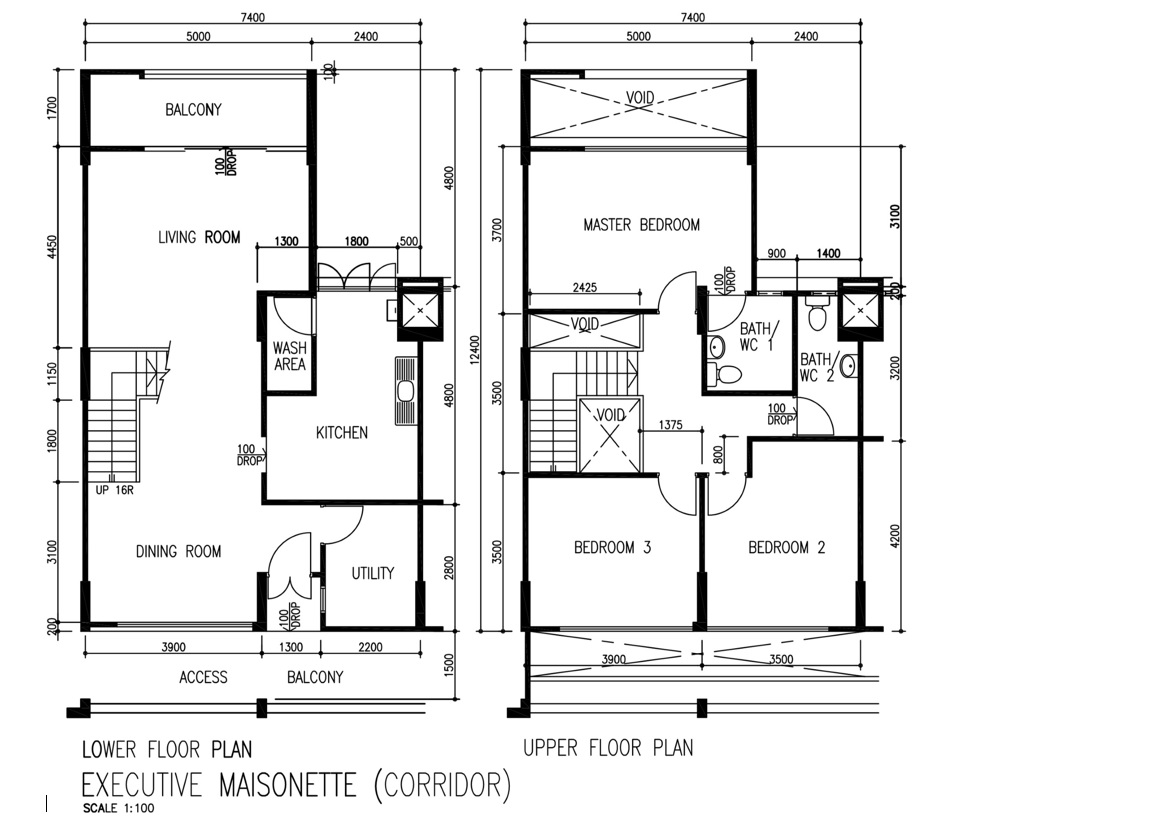
Executive HDBs offer unparalleled flexibility. The typical layout often includes:
- Executive Apartment (EA): A single-level unit, usually with three bedrooms, a separate dining area, and a dedicated study that can be converted into a fourth bedroom or a larger living space.
- Executive Maisonette (EM): A two-storey unit, with the living, dining, and kitchen areas on the first floor, and the bedrooms on the second. This vertical separation offers a landed-home feel, providing privacy and clear zoning.
This extra square footage means you are not forced to compromise on functionality. You can have a dedicated home office, a walk-in wardrobe, a spacious dry and wet kitchen, or a large communal area perfect for multi-generational living.
Resale Potential and Enduring Value
Executive HDBs, particularly those in mature estates, have consistently held their value. Their large size makes them highly desirable for families who have outgrown smaller BTO or resale flats. A well-designed and compliant renovation not only enhances your living experience but also significantly boosts the flat’s appeal and resale value in Singapore’s competitive property market.
Common Renovation Challenges
While the space is a blessing, it comes with its own set of renovation complexities:
- Older Infrastructure: Many Executive HDBs are older, meaning the electrical wiring, plumbing, and original finishes may require a complete overhaul. This adds to the renovation scope and cost.
- Maximising Volume: A large, empty space can feel cold or overwhelming if not designed correctly. The challenge is to create distinct, functional zones that feel cohesive and welcoming, rather than vast and impersonal.
- Original Layouts: Some older layouts can be compartmentalised. Modern renovation often involves strategic wall removal (with HDB approval) to create the open-concept living that today’s homeowners desire.
2. Navigating Singapore’s HDB Renovation Regulations
Renovating any HDB flat in Singapore requires strict adherence to the Housing & Development Board’s guidelines. For an Executive HDB, especially if you plan to reconfigure the space, understanding these rules is paramount to avoid costly rework and potential fines.
Structural Changes: The Do’s and Don’ts
The most critical aspect of any major renovation is structural integrity. You must obtain a permit from HDB before carrying out any work that involves hacking or demolishing walls, columns, or beams.
| Structural Renovation | HDB Regulation Summary | Key Action |
|---|---|---|
| Wall Hacking | Only non-load-bearing walls can be removed. Load-bearing walls (which support the structure) are strictly prohibited from being altered. | MUST engage a Professional Engineer (PE) to certify the wall is non-load-bearing before applying for an HDB permit. |
| Floor/Wall Finishes | For newly completed BTO flats, there is a 3-year restriction on removing wall and floor finishes in wet areas (bathrooms/toilets) to allow the original waterproofing to cure. | Check the Temporary Occupation Permit (TOP) date. For resale flats, this restriction does not apply. |
| Ceiling Works | False ceilings are permitted, but the minimum clear height must be maintained. You cannot conceal HDB’s structural beams or fire safety features. | Ensure compliance with fire safety regulations. |
Wet Areas and Utility Works
Renovating bathrooms and kitchens requires careful planning due to waterproofing requirements.
- Waterproofing: If you hack the floor tiles in a bathroom, you must re-apply a new layer of waterproofing membrane and conduct a water test, certified by your contractor, to prevent leaks to the unit below.
- Gas and Electrical: All gas and electrical works must be carried out by licensed professionals registered with the Energy Market Authority (EMA) and the Building and Construction Authority (BCA), respectively. Never attempt DIY electrical work.
Balcony and Window Regulations
Executive HDBs often feature a balcony, which many homeowners wish to enclose.
- Balcony Enclosure: Enclosing a balcony is generally allowed, but the design must comply with HDB’s guidelines, often requiring a full-height window system that maintains the original facade appearance. The enclosure must also be approved by the relevant authorities.
- Window Replacement: Any replacement of windows must comply with BCA’s safety requirements, including the use of approved window types and ensuring the installation is done by a BCA-approved window contractor.
Actionable Tip: Always appoint an Interior Designer or contractor who is registered with HDB and familiar with the latest regulations. This is the simplest way to ensure your renovation is compliant from the start.
3. Design Ideas for Maximising Your Executive HDB Space
The primary goal of renovating a large flat is to leverage the space for enhanced lifestyle and functionality. Here are key design strategies tailored for the Executive HDB.
Open-Concept Living: The Grand Scale
With a large floor plate, an open-concept design truly shines in an Executive HDB. By strategically removing non-load-bearing walls between the living, dining, and kitchen areas, you can create a vast, fluid space that is perfect for entertaining and family bonding.
- Zoning with Furniture: Use large area rugs, distinct lighting fixtures (e.g., a pendant light over the dining table), and different flooring materials to subtly define the living, dining, and kitchen zones without physical barriers.
- Kitchen Integration: A large island counter can serve as a seamless transition point between the dry kitchen and the dining area, providing extra prep space and a casual breakfast bar.
The Multi-Functional Flex Room
The dedicated study or extra room in an Executive HDB is the perfect candidate for a flexible, multi-functional space.
- Home Office & Guest Room: Install a custom built-in desk and shelving system, paired with a wall-mounted Murphy bed or a comfortable sofa bed. This allows the room to function as a productive office by day and a comfortable guest suite by night.
- Hobby/Play Area: For families with young children, this room can be a dedicated play area that keeps toys out of the main living space. As the children grow, it can transition into a hobby room, home gym, or entertainment den.
Storage Solutions for Large Homes
While you have more space, clutter can still accumulate. Effective storage is key to maintaining a clean, minimalist aesthetic.
- Built-in Carpentry: Invest in floor-to-ceiling built-in cabinets along long walls, particularly in the living room and hallways. By matching the cabinet fronts to the wall colour, you create a seamless, integrated look that hides massive storage capacity.
- Walk-in Wardrobes: The size of an Executive HDB often allows for a dedicated walk-in wardrobe, especially in the master bedroom. This is a luxurious and highly practical feature that adds significant value.
- Vertical Storage: Utilise the high ceilings by designing tall, custom shelving units. In Executive Maisonettes, the space under the staircase is a prime location for clever, hidden storage.
4. Embracing Japandi and Wabi-sabi in Your Executive HDB
At Interior Diary, we believe that the generous dimensions of an Executive HDB are perfectly suited to the calming, expansive philosophies of Japandi and Wabi-sabi design. These styles, which blend Japanese and Scandinavian aesthetics, are about creating a home that is both beautiful and deeply peaceful.
The Philosophy of Japandi
Japandi is the harmonious marriage of Japanese minimalism (clean lines, functionality) and Scandinavian warmth (cosiness, natural materials). The result is a style that is refined, comfortable, and uncluttered—ideal for making a large HDB flat feel like a serene retreat.
| Japandi Design Element | Application in Executive HDB |
|---|---|
| Clean Lines & Functionality | Low-profile, functional furniture that doesn’t obstruct the sightlines across the large open-concept space. |
| Natural Materials | Extensive use of light-toned wood (oak, ash), rattan, bamboo, and natural stone. |
| Neutral Palette | A calming base of white, beige, light grey, and muted earth tones, with occasional black accents for definition. |
| Minimalist Decor | Focus on quality over quantity; carefully curated art and pottery rather than excessive ornamentation. |
The Essence of Wabi-sabi
Wabi-sabi is a Japanese worldview centered on the acceptance of transience and imperfection. In interior design, it translates to a focus on authenticity, natural textures, and the beauty of the aged or imperfect. This style encourages a slower, more mindful way of living, which is a perfect counterpoint to the fast pace of Singapore life.
- Embracing Imperfection: Using materials that show their age or have a natural, uneven texture, such as hand-thrown pottery, rough-cut wood, or textured plaster walls.
- Authenticity: Choosing raw, unpolished materials over highly processed ones. The focus is on the material’s inherent character.
- Muted, Earthy Tones: The Wabi-sabi palette is deeply rooted in nature: deep browns, charcoal greys, dusty greens, and off-whites.
Practical Application in an Executive HDB
The large floor space of an Executive HDB allows these styles to breathe and truly define it.
- Materials and Textures:
- Flooring: Opt for large-format tiles in a muted grey or a light wood-look vinyl/laminate throughout the main living areas to create a seamless flow.
- Walls: Consider a textured paint finish or micro-cement for a subtle Wabi-sabi feel, adding depth without being overwhelming.
- Carpentry: Custom built-in cabinets in light oak or ash wood, featuring simple, handle-less designs to maintain the minimalist Japandi aesthetic.
- Furniture and Lighting:
- Low-Profile Seating: Choose deep, comfortable sofas and low coffee tables to enhance the feeling of spaciousness and ground the large living area.
- Ambient Lighting: Rely on warm, diffused lighting. Use paper lanterns, linen-shaded floor lamps, and hidden cove lighting instead of harsh overhead fixtures. This creates a soft, inviting glow that is central to both styles.
- Creating a Sanctuary:
- The Balcony: If enclosed, transform the balcony into a Japanese-inspired engawa (veranda) with a low wooden platform, a few simple plants, and a comfortable reading chair—a perfect spot for quiet contemplation.
- The Master Suite: Design the master bedroom as a true sanctuary, using linen bedding, a simple wooden bed frame, and minimal decor. The focus should be on rest and tranquility.
5. Executive HDB Renovation Cost and Timeline
Renovating a large Executive HDB flat is a significant undertaking, and the budget and timeline will naturally be higher than for a standard 4-room or 5-room flat due to the increased surface area and the potential for more extensive reconfigurations.
Budgeting for a Large Flat
A comprehensive renovation for an Executive HDB in Singapore typically falls in the range of S$80,000 to S$150,000 or more, depending heavily on the scope of work and the quality of materials chosen.
| Cost Component | Typical Scope for Executive HDB | Key Cost Driver |
|---|---|---|
| Hacking & Masonry | Removal of old tiles, walls (with permit), re-tiling of 3 bathrooms, kitchen, and flooring. | Extent of structural changes and re-tiling area. |
| Carpentry | Extensive built-in wardrobes, kitchen cabinets, TV console, and feature walls. | The sheer volume of carpentry required for a large flat. |
| Electrical & Plumbing | Full re-wiring and re-piping, especially for older flats, to support modern appliances and lighting. | Age of the flat and complexity of the new layout. |
| Design & Project Mgmt | Professional fees for design, HDB submission, and project oversight. | The complexity of the design and the experience of the firm. |
Project Timeline
A full-scale renovation for an Executive HDB, involving hacking, re-tiling, and extensive carpentry, generally requires a timeline of 3 to 5 months.
- Phase 1 (1-2 weeks): HDB permit application, hacking, and demolition.
- Phase 2 (4-6 weeks): Masonry, electrical, and plumbing works, including waterproofing and screeding.
- Phase 3 (4-8 weeks): Installation of windows, doors, and air-conditioning units.
- Phase 4 (4-8 weeks): Carpentry installation, painting, and final electrical/plumbing fixtures.
- Phase 5 (1 week): Final cleaning, touch-ups, and handover.
It is crucial to factor in potential delays, especially those related to HDB permit approvals or material sourcing. Working with an experienced firm like Interior Diary ensures a realistic timeline and proactive management of the entire process.
6. Conclusion
The Executive HDB flat is a rare gem in Singapore’s housing market, offering the space and flexibility to create a truly exceptional home. By understanding the unique advantages of your large floor plan, navigating the necessary HDB regulations, and applying a thoughtful design philosophy like Japandi or Wabi-sabi, you can transform your flat from a large house into a serene, functional, and stylish sanctuary.
The key to a successful Executive HDB renovation lies in meticulous planning and partnering with a design firm that understands both the local context and the nuances of sophisticated design.
Ready to transform your Executive HDB into a spacious, tranquil retreat?
Interior Diary specialises in creating bespoke, timeless homes that reflect the calming aesthetics of Japandi and Wabi-sabi. We manage the entire process, from HDB compliance to final installation, ensuring a smooth and stress-free renovation journey.
Book an Appointment with Interior Diary Today!