
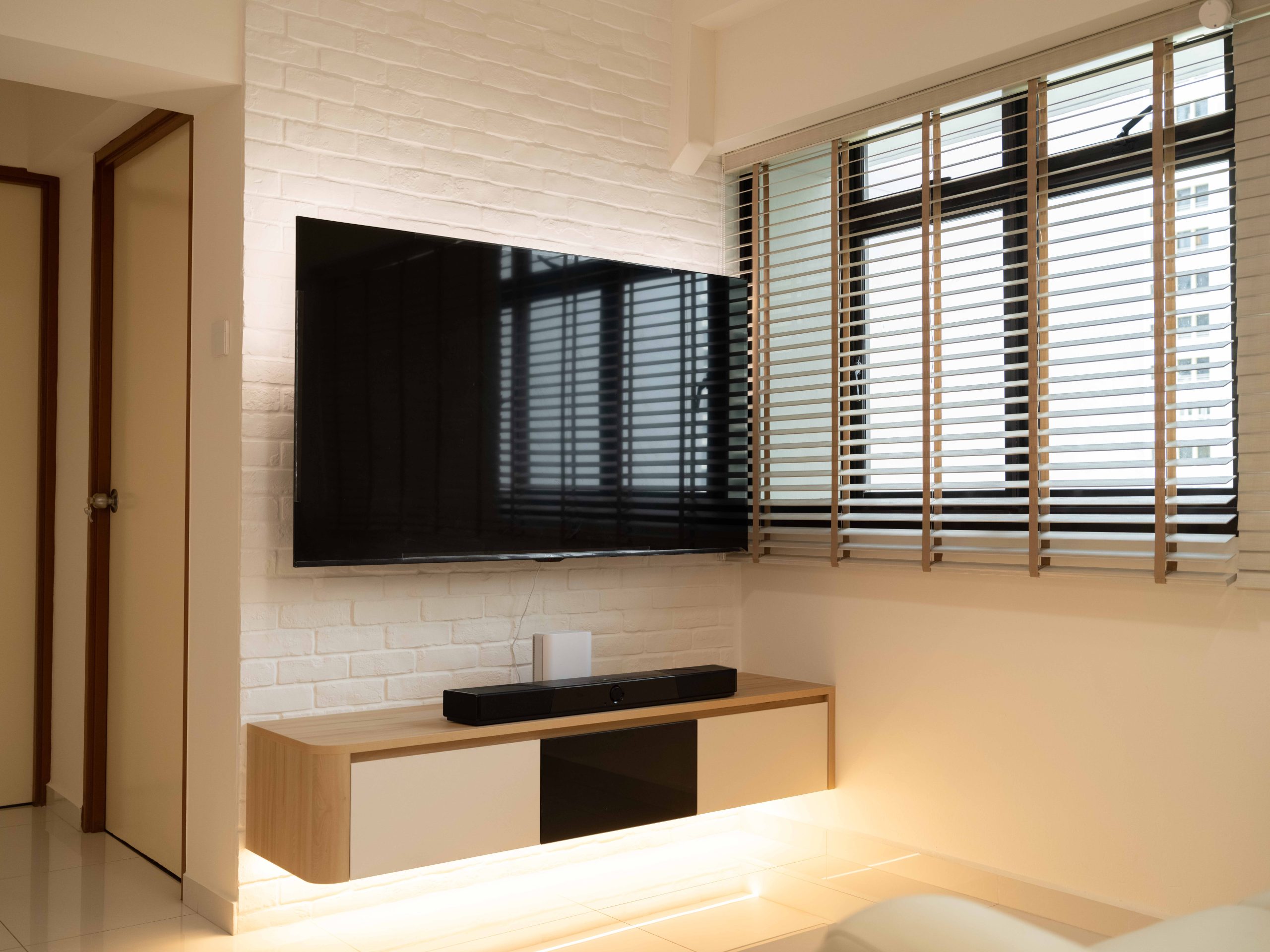
Scandinavian Interior Design Singapore: Creating Hygge in a Tropical Climate
1. Introduction: The Hygge Dream in the Lion City
The allure of Scandinavian interior design (also know as Scandi) is undeniable. It speaks of simplicity, functionality, and a profound sense of comfort. At its heart lies the Danish concept of Hygge (pronounced hoo-gah), a philosophy that celebrates cosiness, well-being, and finding joy in the everyday moments. It is a design language born from the long, dark, and cold winters of the Nordic region, where homes must be sanctuaries of warmth and light.
But can this aesthetic, so perfectly suited for the Arctic circle, truly thrive in the equatorial heat and humidity of Singapore?
The answer is a resounding yes. Singaporean homeowners, particularly those in HDB flats and BTO units, are increasingly drawn to the clean lines and uncluttered spaces of the Nordic style. However, a direct copy-and-paste approach will not work. The challenge (or opportunity) lies in thoughtfully adapting these principles to create a home that is not just beautiful, but also practical, cool, and perfectly suited to the tropical climate and the unique constraints of local housing.
This comprehensive guide will take you through the essential elements of Scandinavian design, show you how to infuse the spirit of Hygge into your Singapore home, and provide actionable advice on material selection, space planning, and navigating local renovation regulations. We will also explore how the expertise of firms like Interior Diary, with their specialisation in the related Japandi and Wabi-Sabi styles, can help you achieve a truly tranquil and timeless tropical sanctuary.
2. The Core Principles of Scandinavian Design (Scandi Interior Design)
To successfully adapt the style, one must first understand its foundational pillars. Scandinavian design, which emerged in the 1950s, is a celebration of democratic design, beautiful, functional objects accessible to all.
Functionality and Simplicity

The design ethos is driven by utility. Every item in a Scandinavian home serves a purpose, adhering to the principle of minimalism without sacrificing warmth. Clutter is the enemy of Hygge. This focus on simplicity is particularly beneficial for Singapore HDB and BTO flats, where space is often at a premium. Furniture is often multi-functional, and storage is integrated and seamless.
Light and Airiness

In the Nordic countries, where daylight is scarce for much of the year, design is focused on maximising and reflecting light. This translates to:
•White or light-coloured walls: To bounce light around the room.
•Minimal window treatments: Sheer curtains or blinds are preferred over heavy drapes.
•Open-plan layouts: To allow light to penetrate deep into the home.
In Singapore, this principle is adapted to manage the intense tropical sun, using light colours to keep spaces feeling cool and airy, and sheer fabrics to diffuse harsh glare while maintaining brightness.
Natural Materials and Textures
A deep connection to nature is central to the style. Materials are typically raw, honest, and tactile.
•Wood: Light-toned woods like birch, ash, or pale oak are dominant.
•Textiles: Wool, cotton, linen, and sheepskin add warmth and softness.
•Metals: Copper, brass, or black metal accents provide a subtle industrial touch.
The challenge in Singapore is selecting natural materials that can withstand high humidity and resist mould and pests, a critical consideration we will address in detail.
3. Understanding Hygge: More Than Just Cosiness
While Scandinavian design is the aesthetic, Hygge is the feeling. It is a Danish word that cannot be translated into a single English term, but it encompasses a mood of cosiness, comfort, contentment, and well-being. It is about creating an atmosphere of intimacy and enjoying the simple things in life.
Hygge in the Singaporean Context

In Scandinavia, Hygge is often associated with a fireplace, thick blankets, and hot drinks. In Singapore, the interpretation must shift to suit the climate. Tropical Hygge is about:
•Cool Comfort: Choosing breathable fabrics like linen and cotton for throws and cushions, rather than heavy wool.
•Sensory Tranquility: Using soft, layered lighting (lamps, candles) to create a calming ambiance, rather than harsh overhead lights.
•Shared Moments: Designing spaces that encourage togetherness, such as a comfortable, oversized sofa or a large dining table for family meals.
•A Retreat from the Heat: Creating a cool, uncluttered sanctuary that offers respite from the bustling city and the humid weather outside.
Lagom: The Principle of “Just Enough”
A complementary Swedish concept, Lagom, means “not too little, not too much—just right.” This philosophy perfectly underpins the minimalist aspect of Scandinavian design. It encourages homeowners to curate their possessions, focusing on quality over quantity. For space-constrained Singapore condo and HDB living, Lagom is a powerful tool for maintaining an uncluttered, functional, and serene environment.
4. The Tropical Challenge: Adapting Nordic Aesthetics for Singapore
The most critical step in implementing Scandinavian design in Singapore is the adaptation process. Ignoring the tropical climate will lead to a beautiful but ultimately impractical and uncomfortable home.
Humidity and Material Selection
Singapore’s high humidity (often exceeding 80%) is the primary enemy of traditional Nordic materials.
•Untreated Wood: Can warp, swell, or become a breeding ground for mould.
•Heavy Textiles: Can feel damp, trap heat, and develop a musty smell.
The Solution:

1.Engineered Wood and Laminates: Opt for high-quality, moisture-resistant engineered wood flooring or laminates that mimic the look of light oak without the maintenance headache.
2.Tropical Hardwoods: Incorporate local or tropical hardwoods like teak, which are naturally resistant to moisture and pests, for accent furniture or feature walls.
3.Sealed Surfaces: Ensure all natural wood elements are properly sealed and treated with moisture-resistant finishes.
The Need for Cooling and Ventilation
While Nordic homes are designed to trap heat, Singaporean homes must facilitate airflow and cooling.
•Airflow: Strategic placement of furniture to avoid blocking windows and doors is essential.
•Ceiling Fans: A stylish, minimalist ceiling fan is a non-negotiable feature, blending seamlessly with the aesthetic while providing crucial air circulation.
•Air Conditioning: Integrate air conditioning units discreetly, perhaps with minimalist covers or placement above sightlines, to maintain the clean aesthetic.
Colour Palette Adjustments

The classic Scandinavian palette of pure white, grey, and beige can sometimes feel stark under the intense tropical sun.
•Warm Neutrals: Introduce slightly warmer, off-white or cream tones to soften the light.
•Tropical Accents: Inject subtle pops of colour inspired by the local environment—deep greens (from indoor plants), soft blues (of the sea), or muted terracotta—through cushions, artwork, or ceramics. This adds local flavour without compromising the minimalist base.
5. Practical Guide: Achieving Scandinavian Hygge in Your Singapore Home
HDB and BTO Flats: Maximising Small Spaces
The principles of Scandinavian design are perfectly suited for the compact nature of HDB and BTO flats.
Open-Plan Living and Layout Hacks
•Kitchen and Dining: Where possible, knocking down non-structural walls (with HDB approval) to merge the kitchen, dining, and living areas creates a single, bright, and airy space. This immediately enhances the sense of space and light, a cornerstone of the Nordic style.
•Visual Continuity: Use the same flooring material across connected areas to eliminate visual breaks and make the entire space feel larger.
Smart Storage Solutions

•Built-in Cabinetry: Opt for floor-to-ceiling, handle-less, white or light wood cabinetry that blends into the walls. This provides maximum storage while maintaining the uncluttered, minimalist look.
•Hidden Storage: Incorporate storage into furniture, such as lift-top coffee tables or beds with integrated drawers.
•Wall Shelving: Use simple, floating wooden shelves to display curated items, adding personality without creating visual noise.
Material Mastery: Tropical-Proofing Your Design
Flooring: The Cool Choice
•Large Format Tiles: Light grey or white large-format tiles are excellent for Singapore, as they feel cool underfoot and are highly durable and moisture-resistant.
•Vinyl or Laminate: High-quality vinyl or laminate flooring with a light wood grain finish offers the Scandinavian aesthetic with superior water resistance compared to natural wood.
Furniture: Lightweight and Elevated
•Sleek Silhouettes: Choose furniture with clean lines and thin, tapered legs. This elevates the pieces, allowing light to pass underneath and making the room feel less heavy and more spacious.
•Rattan and Woven Accents: Incorporate small pieces of rattan, cane, or woven furniture (like side tables or accent chairs). These tropical materials align with the natural aesthetic while being inherently breathable and lightweight.
Fabrics: Breathable and Light
•Linen and Cotton: Replace heavy wool throws with lightweight, textured linen or organic cotton blankets and cushion covers. These materials are naturally cooling and soft to the touch, perfectly capturing the Hygge feeling without the heat.
•Sheer Curtains: Use white or light-grey sheer linen or cotton curtains to diffuse the intense sunlight, creating a soft, ethereal glow that is key to the Scandinavian look.
Lighting and Ventilation: The Tropical Hygge Equation
Maximising Natural Light
The abundant sunlight in Singapore is a gift that should be celebrated.
•Reflective Surfaces: Use mirrors strategically to reflect light and create the illusion of a larger space.
•Minimalist Fixtures: Opt for simple, exposed bulb pendants, track lighting, or minimalist floor lamps. The focus should be on the quality of the light, not the fixture itself.
•Layered Lighting: Use a combination of ambient (general room light), task (reading lamps), and accent lighting (spotlights on artwork) to create depth and warmth in the evenings.
The Role of Ceiling Fans and Airflow
A powerful, silent ceiling fan is the tropical equivalent of a Nordic fireplace. It is essential for maintaining comfort and preventing stagnant air. Choose models with clean, simple lines and white or light wood blades to integrate seamlessly with the Scandinavian aesthetic.
The Power of Greenery: Bringing the Outdoors In
This is where the tropical climate truly enhances the Scandinavian style. The Nordic love for nature is easily fulfilled by the lush greenery available in Singapore.
•Large Statement Plants: Use large, architectural plants like Monstera, Fiddle Leaf Figs, or Bird of Paradise to add a vibrant, organic contrast to the neutral palette.
•Curated Collections: Group smaller plants on shelves or window sills in simple, unglazed ceramic or terracotta pots, adding to the raw, natural texture.
•Low-Maintenance Choices: Select plants that thrive in indoor Singaporean conditions, requiring minimal fuss to maintain the sense of calm and ease.
6. Beyond Scandinavian: Interior Diary’s Expertise in Japandi and Wabi-Sabi
While Scandinavian design provides an excellent foundation, many Singaporean homeowners are now exploring its sophisticated cousins: Japandi and Wabi-Sabi. These styles offer a deeper, more nuanced approach to minimalism and are areas where Interior Diary excels, providing clients with a truly unique and tailored home.
Japandi: The Perfect Fusion for Singapore

Japandi is the harmonious marriage of Scandinavian functionality and Japanese rustic minimalism. It is a style that feels inherently balanced and mature, making it incredibly well-suited for the Singaporean home.
Scandinavian Functionality Meets Japanese Minimalism
•The Blend: It takes the light, airy colour palette and comfortable textures of Scandinavia and combines them with the darker, more elegant wood tones, clean lines, and craftsmanship of Japanese design.
•The Result: A space that is warmer and more grounded than pure Scandinavian, yet more comfortable and less austere than pure Japanese minimalism.
Key Elements of Japandi Design
| Element | Scandinavian Influence | Japanese Influence | Tropical Adaptation |
| Colour | Light neutrals (white, grey) | Darker, earthy tones (charcoal, indigo) | Warm beige, muted greens, terracotta accents. |
| Materials | Light wood (pine, birch), soft textiles | Dark wood (walnut, teak), bamboo, paper | Moisture-resistant engineered wood, rattan, sealed tropical hardwoods. |
| Furniture | Functional, comfortable, elevated | Low-slung, handcrafted, clean lines | Elevated pieces for airflow, natural woven textures. |
| Aesthetic | Hygge (Cosiness) | Wabi-Sabi (Imperfection) | A balanced, serene, and highly functional tropical retreat. |
Wabi-Sabi: Embracing Imperfection and Authenticity

Wabi-Sabi is a Japanese philosophy that finds beauty in imperfection, transience, and the natural cycle of growth and decay. In interior design, this translates to:
•Asymmetry and Irregularity: Using handmade ceramics, uneven textures, and organic shapes.
•Authentic Materials: Celebrating materials in their raw, unrefined state, allowing them to age naturally.
•Patina and Wear: Accepting the marks of time and use as part of the object’s story.
The Beauty of Natural Ageing in a Tropical Climate
Wabi-Sabi is particularly powerful in Singapore because it encourages the use of natural materials that will inevitably change and develop a patina in the humid environment. Instead of fighting the climate, Wabi-Sabi embraces it, turning the natural ageing of wood or the slight fading of linen into a feature, not a flaw. This creates a home that feels deeply personal, authentic, and connected to its environment.
Interior Diary’s deep understanding of these complementary styles allows them to craft a home that goes beyond a trend, delivering a timeless sanctuary tailored to the Singaporean lifestyle.
7. Navigating Singapore’s Renovation Landscape: HDB, BTO, and Condo Regulations
A beautiful design must also be compliant. Renovating in Singapore, especially an HDB flat or BTO unit, requires strict adherence to regulations to ensure structural integrity and public safety.
Structural Changes and Permits

•HDB Approval is Mandatory: Any work involving the removal or alteration of walls, columns, beams, or other structural elements requires prior written approval from the Housing & Development Board (HDB) .
•Non-Structural Walls: While many internal walls in HDB flats are non-structural and can be removed to create open-plan Scandinavian layouts, this must always be verified by an HDB-registered Professional Engineer and approved by HDB.
•Condo Regulations: Condo owners must also adhere to the Management Corporation Strata Title (MCST) by-laws, which often govern working hours, noise levels, and the disposal of debris.
Wet Areas and the 3-Year Rule
A crucial regulation for new BTO flats is the 3-year restriction period for wet areas .
•Bathrooms and Toilets: For the first three years from the completion date of the block, homeowners are generally prohibited from removing or replacing the wall and floor finishes in bathrooms and toilets. This is to allow the waterproofing membrane to settle and cure properly.
•Implication for Design: If you are renovating a new BTO, you must plan your Scandinavian aesthetic around the existing bathroom tiles for the first three years. Focus on removable elements like lighting, mirrors, storage, and accessories to achieve the look.
Engaging HDB-Registered Contractors
HDB mandates that all renovation works that affect the structure or common areas must be carried out by contractors listed in the Directory of HDB Registered Renovation Contractors (RRC) . Engaging an experienced firm like Interior Diary ensures that all design plans are compliant, all necessary permits are secured, and the renovation process is smooth and stress-free.
8. Conclusion: Your Journey to a Tranquil, Tropical Home
Scandinavian design, with its emphasis on light, simplicity, and functionality, is not just a passing trend; it is a philosophy of living that is perfectly adaptable to the Singaporean climate and lifestyle. By embracing the principles of Hygge and Lagom, and making thoughtful adjustments for the tropical heat—such as choosing moisture-resistant materials, prioritising airflow, and incorporating lush greenery—you can transform your HDB, BTO, or condo into a serene, comfortable, and highly functional sanctuary.
Furthermore, exploring the complementary aesthetics of Japandi and Wabi-Sabi allows for a design that is even more deeply rooted in tranquility and authenticity, offering a timeless elegance that will endure for years to come.
9. Call to Action: Book Your Consultation with Interior Diary
Ready to bring the calm, beautiful simplicity of Scandinavian design, or the sophisticated balance of Japandi, to your Singapore home?
Interior Diary specialises in crafting bespoke, tranquil living spaces that are perfectly tailored to the unique challenges and opportunities of the tropical climate. Our expertise in minimalist, functional design, including the nuanced aesthetics of Japandi and Wabi-Sabi, ensures your home is not just stylish, but a true sanctuary of Hygge.
Don’t compromise on comfort or compliance.
Book an Appointment with our expert design team today to begin your journey to a home that is truly “just right.”