

Bathroom Renovation in Singapore: Modern Designs, Materials & Cost Guide
The Essential Guide to Your Singapore Bathroom Transformation
The bathroom, often overlooked, is one of the most vital spaces in any home. It is a sanctuary, a place for rejuvenation, and a significant factor in your property’s value. For homeowners in Singapore, embarking on a bathroom renovation Singapore project is an exciting, yet complex, undertaking. Unlike renovations in other countries, the process here is uniquely shaped by local regulations, property types, from HDB flats and BTOs to private condominiums, and the humid tropical climate.
This comprehensive guide is designed to be your definitive resource, navigating you through the intricacies of a successful HDB bathroom renovation or a luxurious condo upgrade. We will demystify the costs, break down the crucial regulations, explore the latest modern design trends, and showcase how to select the perfect materials for a durable and beautiful space. At Interior Diary, we believe a bathroom should be a reflection of tranquility and timeless design, which is why we specialize in creating serene spaces inspired by the Japandi and Wabi-sabi design philosophies.
Ready to transform your washroom into a personal spa? Let’s dive into the essential steps for your Singapore interior design journey.
1. Understanding the Singapore Context: HDB, BTO, and Condo Rules
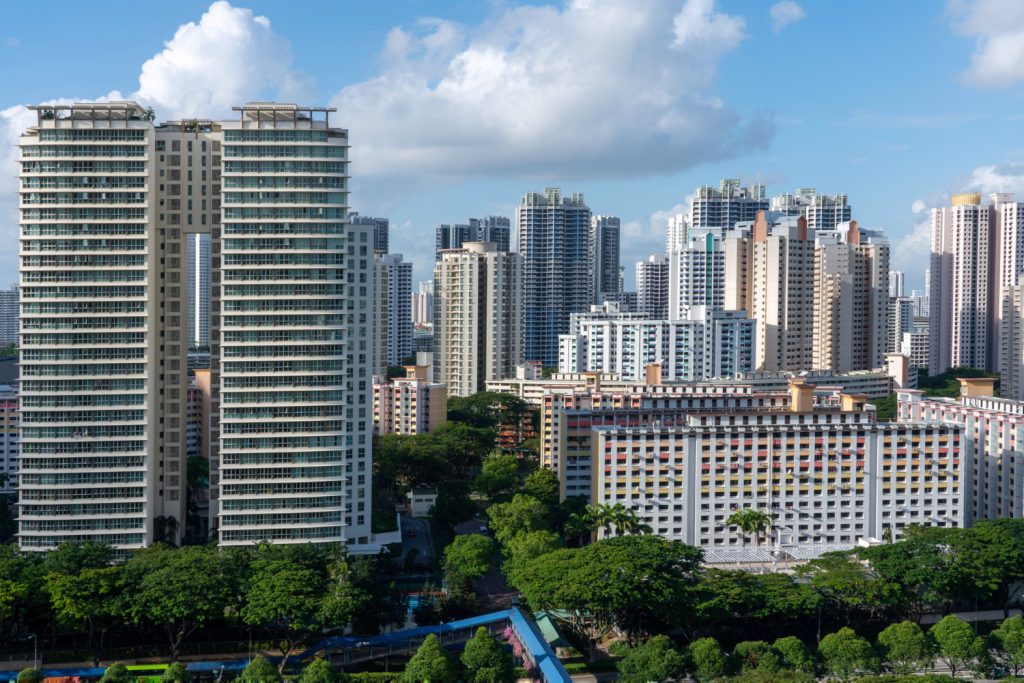
The first and most critical step in any bathroom renovation Singapore project is understanding the regulatory landscape. The rules vary significantly depending on whether you live in a Housing & Development Board (HDB) flat, a new Build-To-Order (BTO) flat, or a private condominium. Ignoring these regulations can lead to costly rework, fines, and delays.
The Critical 3-Year BTO Restriction (Wet Works)
If you own a newly completed BTO flat, you must be aware of the 3-year restriction period imposed by the HDB [1]. This rule is in place to allow the original waterproofing membrane installed by the HDB to cure and settle properly.
Key Takeaway: For the first three years after the BTO’s completion date, you are prohibited from removing or replacing the wall and floor finishes (i.e., tiles) in your bathrooms and toilets. This restriction applies to all “wet works” that could compromise the waterproofing layer.
This means that for a new BTO, your initial HDB bathroom renovation will be limited to “dry works” such as replacing fixtures, installing a new vanity, changing the shower screen, or painting. Only after the three-year period has passed can you proceed with full-scale hacking and retiling.
HDB Renovation Guidelines: What You Can and Cannot Do
For all HDB flats, whether BTO or resale, the HDB has strict guidelines to ensure structural integrity and the safety of all residents [2].
| Type of Work | Permit Required? | Key Guidelines/Conditions |
| Hacking/Tiling | Yes (after 3-year BTO period) | Must not affect structural walls or beams. Waterproofing must be reinstated and tested by a qualified contractor. |
| Cement Kerb | No | Construction of a cement mortar kerb is allowed without a permit, provided it does not exceed 100mm in height and 100mm in width. |
| Enlargement | Yes (after 3 years) | Maximum extension of 600mm in width and 0.6m² in area. Must be used as a ‘dry area’ (e.g., for a wash basin or shelves). |
| Ventilation | Yes | Replacement of bathroom/toilet vent requires a permit. Glass louvers must be at least 6mm thick and wire-glass type. |
| Plumbing | Yes | All plumbing works must be carried out by a Public Utilities Board (PUB) licensed plumber. |
The most important consideration is waterproofing. Any hacking and retiling work requires the contractor to apply a new waterproofing membrane and conduct a water ponding test to ensure there are no leaks to the unit below. This is a non-negotiable safety measure.
Condo and Private Property Considerations
While private condominiums and landed homes offer more flexibility, they are not without rules. Condo bathroom design and renovation must comply with the Management Corporation Strata Title (MCST) by-laws.
- MCST Approval: You must submit your renovation plans to the MCST for approval before starting work.
- Waterproofing: The MCST will be extremely strict about waterproofing, as a leak can affect multiple units. You will likely need to provide a warranty or guarantee for the waterproofing works.
- Working Hours: Condos typically have stricter rules on renovation working hours and noise levels compared to HDB estates.
2. Your Bathroom Renovation Cost Guide for Singapore
One of the first questions homeowners ask is, “How much does a bathroom renovation Singapore cost?” The answer depends heavily on the scope of work, the size of your bathroom, and your choice of materials. We have compiled a detailed bathroom cost guide based on current market estimates.
Cost Breakdown by Property Type
The total cost can be categorized into basic, mid-range, and premium/luxury. These figures are estimates and should be used for planning purposes only [3].
| Property Type | Scope of Work | Estimated Cost Per Bathroom (SGD) |
| HDB/BTO (Basic) | Dry works only (fixtures, vanity, painting) | S$3,000 – S$5,000 |
| HDB/BTO (Full Renovation) | Hacking, retiling, waterproofing, plumbing, fixtures | S$5,000 – S$8,000 |
| Condominium (Mid-Range) | Full renovation with mid-tier materials | S$8,000 – S$15,000 |
| Landed/Luxury (Premium) | Full renovation with high-end materials (marble, smart features) | S$15,000 – S$25,000+ |
Detailed Cost Components
A full bathroom renovation Singapore project typically involves several key components, each contributing to the overall budget:
| Component | Description | Estimated Cost Range (SGD) |
| Hacking & Disposal | Removal of existing tiles, fixtures, and debris | S$1,000 – S$2,000 |
| Plumbing & Electrical | Re-piping, waterproofing, electrical points, lighting | S$1,500 – S$3,000 |
| Tiling & Masonry | Supply and installation of new floor and wall tiles | S$2,000 – S$4,000 |
| Fixtures & Fittings | Toilet bowl, wash basin, tap, shower set, mixer | S$1,000 – S$3,000 |
| Vanity & Storage | Custom or ready-made vanity cabinet and mirror | S$800 – S$2,500 |
| Shower Screen | Tempered glass shower screen (sliding or swing) | S$500 – S$1,200 |
Smart Ways to Save on Your Budget
A tight budget doesn’t mean you have to compromise on style. Here are a few smart strategies to reduce your HDB bathroom renovation costs:
- Tile Overlay: If your existing tiles are in good condition and you are past the BTO 3-year restriction, consider a tile overlay instead of hacking. This saves significantly on hacking, disposal, and waterproofing costs.
- Mix and Match Materials: Use premium materials like marble for a small accent wall or vanity top, and pair them with more cost-effective porcelain tiles for the rest of the space.
- Ready-Made Vanities: Custom carpentry is expensive. Opt for high-quality, ready-made vanities that offer excellent storage and modern aesthetics.
3. Modern Bathroom Design Trends in Singapore
The aesthetic of the modern Singaporean bathroom has evolved beyond mere functionality. Today’s trends focus on creating a tranquil, spa-like experience. When planning your Singapore interior design for the bathroom, consider these popular styles:
The Rise of Minimalist and Hotel-Style Luxury

The modern bathroom design in Singapore often draws inspiration from high-end hotels, emphasizing clean lines, sophisticated color palettes, and seamless integration of technology.
- Floating Vanities: These create a sense of space and lightness, making smaller HDB bathrooms feel larger.
- Hidden Storage: Recessed niches in the shower and mirrored cabinets with integrated storage keep clutter out of sight, maintaining a minimalist look.
- Feature Walls: Using a distinct material—such as dark, textured stone or wood-look tiles—on one wall to create a focal point.
- Strategic Lighting: Layered lighting, including hidden LED strips under vanities and in shower niches, creates a warm, inviting ambiance.
Color Palettes: The New Neutrals
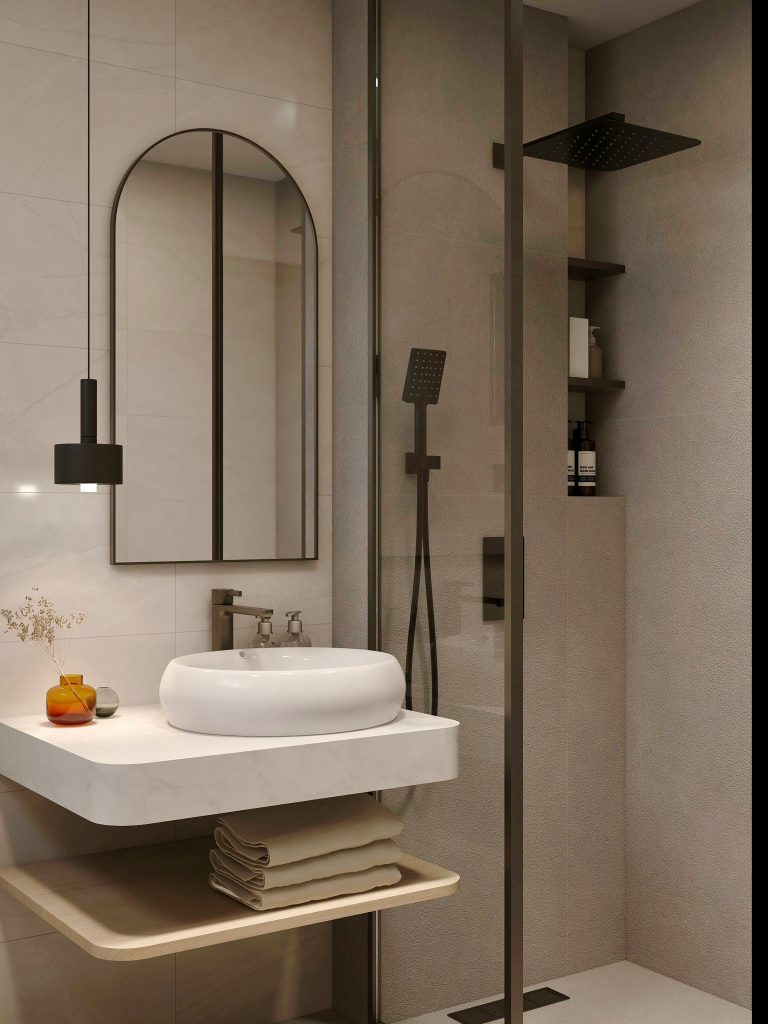
While all-white bathrooms remain classic, the trend is shifting towards warmer, more earthy neutrals. Think soft greys, muted greens, and sandy beige tones. These palettes are particularly conducive to the serene aesthetic of Japandi and Wabi-sabi design.
4. Interior Diary’s Signature: Japandi and Wabi-Sabi Bathroom Design
At Interior Diary, we believe in designing homes that promote peace and well-being. Our specialization in Japandi and Wabi-sabi design offers a unique approach to the bathroom renovation Singapore market, transforming functional spaces into havens of calm.
What is Japandi and Wabi-Sabi?
Wabi-sabi is a Japanese worldview centered on the acceptance of transience and imperfection. It celebrates the beauty of things that are imperfect, impermanent, and incomplete. In design, this translates to a love for natural, raw materials and a rejection of sterile perfection.
Japandi is the harmonious fusion of Japanese minimalism and Scandinavian functionality. It combines the sleek, clean lines of Nordic design with the warm, natural textures and tranquil aesthetic of Japanese style.
Key Elements of a Japandi/Wabi-Sabi Bathroom
A Japandi bathroom is characterized by simplicity, natural light, and a curated selection of materials that age gracefully.
| Element | Japandi/Wabi-Sabi Application | Why It Works in Singapore |
| Materials | Natural wood (teak, bamboo, light oak), unpolished stone, microcement, lime plaster, linen textiles. | Natural materials thrive in the tropical climate, and microcement offers a seamless, waterproof, and durable finish. |
| Color Palette | Earthy neutrals: off-white, beige, terracotta, muted grey, charcoal, and black accents. | Creates a calming, uncluttered atmosphere that contrasts with the urban environment. |
| Fixtures | Minimalist, matte black or brushed brass fixtures. Simple, organic shapes for basins and tubs. | Reduces visual noise and emphasizes the quality and form of the essential elements. |
| Texture | Textured walls (simulated with large-format stone-look tiles or actual microcement), rough-hewn wood grain, woven baskets for storage. | Adds depth and interest without relying on bright colors or complex patterns. |
| Lighting | Soft, diffused, and indirect lighting. Hidden LED strips and simple, paper-lantern-style pendants. | Enhances the sense of tranquility and highlights the natural textures of the materials. |

By embracing the Wabi-sabi design philosophy, your bathroom becomes a space that is not just functional, but deeply rooted in a sense of peace and natural beauty. It’s a timeless style that moves away from fleeting trends.
5. Choosing the Right Materials and Fixtures
The longevity and aesthetic appeal of your bathroom renovation Singapore project hinge on the quality and suitability of your material choices. In Singapore’s high-humidity environment, durability and water resistance are paramount.
Tiles: The Foundation of Your Design
Tiles cover the largest surface area and define the look of your bathroom.
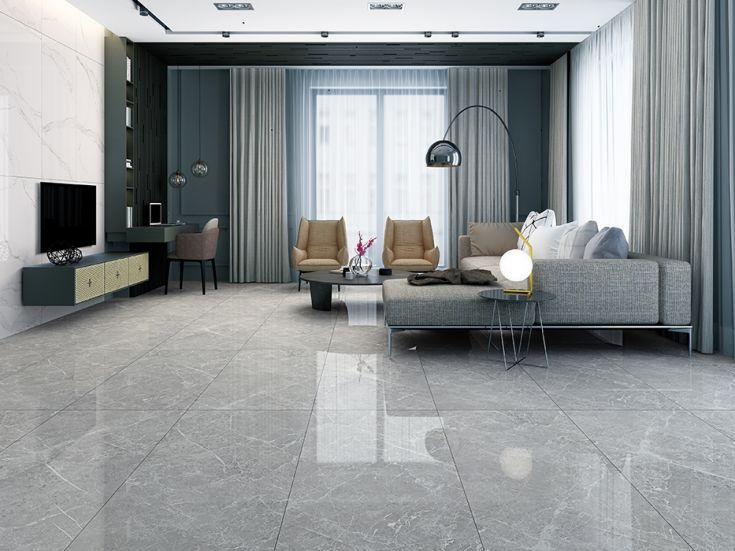
- Porcelain vs. Ceramic: Porcelain tiles are denser, less porous, and more durable than ceramic, making them the superior choice for bathroom floors and walls, especially in wet areas.
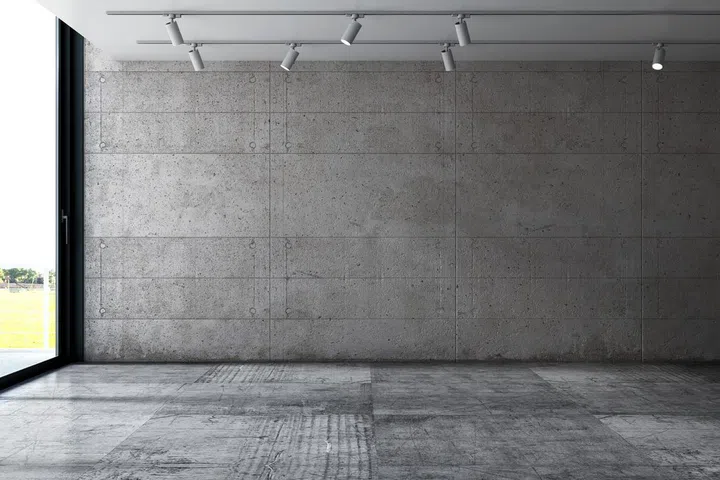
- Large Format Tiles: The trend towards large format tiles (e.g., 60x120cm) is popular because they result in fewer grout lines. This not only creates a cleaner, more seamless look—perfect for Japandi bathroom aesthetics—but also makes cleaning easier and reduces the potential for mold and mildew growth.
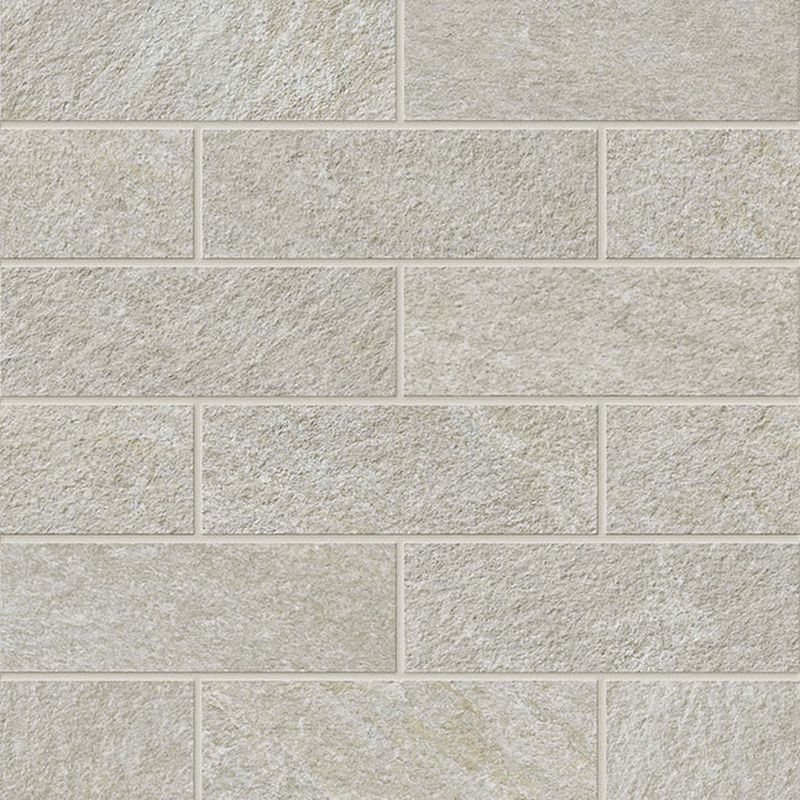
- Textured and Natural Look: Look for tiles that mimic natural materials like wood, marble, or concrete. High-quality wood-look porcelain tiles offer the warmth of wood without the maintenance issues associated with real timber in a wet environment.
Vanities and Storage: Form Meets Function
A well-designed vanity is the centerpiece of your modern bathroom design.
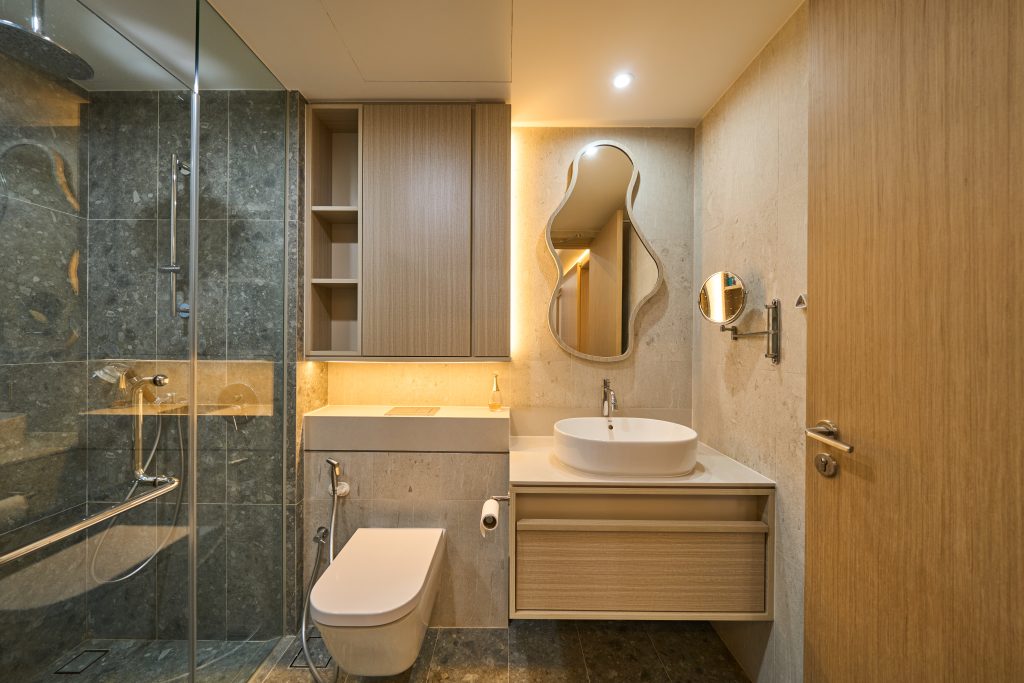
- Floating Vanities: As mentioned, these are excellent for maximizing perceived space. Ensure the vanity material is moisture-resistant, such as marine-grade plywood or solid surface materials.
- Integrated Basins: Basins integrated seamlessly into the countertop (solid surface or quartz) eliminate seams, making cleaning effortless and preventing water seepage.
- Smart Storage: Maximize vertical space with tall, slim cabinets or recessed wall niches. In a Wabi-sabi design, open shelving can be used to display curated, natural items like small plants or stone bowls, but the majority of clutter should be hidden.
Smart Fixtures and Lighting
Modern technology can significantly enhance the comfort and efficiency of your bathroom.
- Water-Saving Fixtures: Singapore is committed to water conservation. Look for taps, showerheads, and toilet bowls with high Water Efficiency Labelling Scheme (WELS) ratings to reduce your utility bills.
- Smart Toilets: While a luxury, smart toilets with bidet functions and heated seats are becoming increasingly popular for their hygiene and comfort benefits.
- Anti-Fog Mirrors: Mirrors with integrated LED lighting and anti-fog features are a practical luxury, especially in a humid environment.
- Ventilation: A powerful, quiet exhaust fan is crucial for managing humidity and preventing mold. Consider models with built-in timers.
6. The Renovation Process: A Step-by-Step Timeline
A typical full bathroom renovation Singapore project, including hacking and retiling, takes approximately 3 to 4 weeks. Here is a simplified timeline of the key stages:
| Stage | Duration | Key Activities |
| 1. Planning & Permits | 1-2 Weeks | Finalize design, select materials, obtain HDB/MCST permits. |
| 2. Hacking & Dismantling | 1-2 Days | Removal of old tiles, fixtures, and sanitary ware. |
| 3. Plumbing & Electrical | 2-3 Days | Laying new water pipes, electrical wiring, and installing the floor trap. |
| 4. Waterproofing | 3-5 Days | Application of waterproofing membrane, followed by the mandatory 24-48 hour water ponding test. This is a critical step. |
| 5. Tiling & Masonry | 5-7 Days | Laying of new floor and wall tiles. |
| 6. Installation | 2-3 Days | Installation of the vanity, toilet bowl, shower screen, and all fixtures and fittings. |
| 7. Final Touches | 1 Day | Sealing, cleaning, and final quality checks. |
Working with an experienced Singapore interior design firm like Interior Diary ensures that this process is managed efficiently, with strict adherence to all regulatory requirements, especially the critical waterproofing stage.
Bathroom renovation costs in Singapore typically range from $3,000 to $5,000 for a basic HDB refresh involving only fixture replacements and painting, and $5,000 to $8,000 for a full HDB renovation that includes hacking, waterproofing, retiling and new fittings. Condominium bathrooms with mid-range materials run from $8,000 to $15,000, while landed properties or premium renovations with marble or high-end fixtures can exceed $25,000. The biggest cost variables are the tile selection, whether hacking is required, and the cost of the vanity and shower fittings.
A full bathroom renovation in Singapore, including hacking and retiling, typically takes 3 to 4 weeks from start to finish. The permit and planning stage takes 1 to 2 weeks, hacking takes 1 to 2 days, and waterproofing requires an additional 3 to 5 days including the mandatory water ponding test. Tiling and installation of fixtures takes another week or so. The most common cause of delays is late material selection, particularly tiles and vanities, so finalising those choices before work begins saves the most time.
A Wabi-Sabi bathroom uses natural, raw materials and earthy tones to create a calm, spa-like feel. Key elements include textured wall finishes like microcement or limewash plaster, wood-look porcelain tiles on the floor, matte black or aged brass fixtures, and a floating vanity in a warm wood grain finish. The overall palette stays in the range of off-white, beige, terracotta and charcoal. The style deliberately avoids perfectly uniform surfaces, favouring materials that have visible grain, texture or subtle variation, which actually makes the space feel warmer and more personal than a standard white bathroom.
You can do limited renovation work in a new BTO bathroom before the 3-year restriction period ends, but you cannot hack or remove the original floor and wall tiles. HDB imposes this restriction to allow the original waterproofing membrane to settle and cure properly. During this period, you are limited to dry works only, which includes changing the toilet bowl, replacing the shower head and tap, installing a new vanity, changing the shower screen, and repainting. Full hacking and retiling can only begin after 3 years from the completion date of the block.
Yes, most bathroom renovation work in an HDB flat requires a permit. This includes any hacking of floor or wall tiles, re-tiling, replacement of the bathroom ventilation duct, and all plumbing work. Plumbing specifically must be carried out by a PUB-licensed plumber. Minor works like replacing a tap, toilet bowl or shower head without touching the pipes do not require a permit. Your interior designer or HDB-registered contractor will handle the permit application on your behalf before any work begins, which typically takes 1 to 2 weeks to be approved.
7. Conclusion
A successful bathroom renovation Singapore is a blend of practical planning, adherence to local regulations, and thoughtful design. By understanding the nuances of HDB and BTO rules, setting a realistic budget with our bathroom cost guide, and choosing durable, beautiful materials, you are well on your way to creating a space that is both functional and aesthetically pleasing.
At Interior Diary, we specialize in transforming ordinary bathrooms into extraordinary sanctuaries. Our expertise in Japandi and Wabi-sabi design allows us to craft spaces that are not just modern, but timeless, embracing natural textures, serenity, and the quiet elegance of imperfection. We manage the entire process, from securing permits to the final installation, ensuring a smooth and stress-free experience.
Don’t let the complexities of a HDB bathroom renovation deter you. Let our team of experts guide you in creating a tranquil, spa-like retreat that you will cherish for years to come.
Ready to Design Your Dream Bathroom?
Book an Appointment with Interior Diary Today!
Whether you are planning a full-scale condo bathroom design overhaul or a simple BTO bathroom refresh, our designers are ready to bring your vision to life with our signature blend of Japanese and Scandinavian aesthetics.
Click here to book your free consultation and start your journey to a serene home.
Otherwise, we also have guides on kitchen, living room and master bedroom renovation.