
Interior Design for Small Condos in Singapore: Maximizing Style and Space
TL;DR: Small condos in Singapore can be stylish and functional by embracing minimalism, using space-saving furniture, smart layouts, and vertical storage. Leverage colors, lighting, and mirrors to create an illusion of space. Don’t forget kitchen, bathroom, and balcony design, and always be aware of condo renovation regulations. Interior Diary specializes in maximizing small spaces with Japandi/Wabi-Sabi expertise.
The Small Condo Challenge in Singapore
Over the years, newer properties are getting smaller in Singapore. For many condo owners, especially those with smaller units, the challenge lies in creating a home that feels spacious, functional, and reflects their personal style. However, with intelligent interior design for small condos in Singapore, it’s entirely possible to transform a compact space into a stylish and highly livable sanctuary.
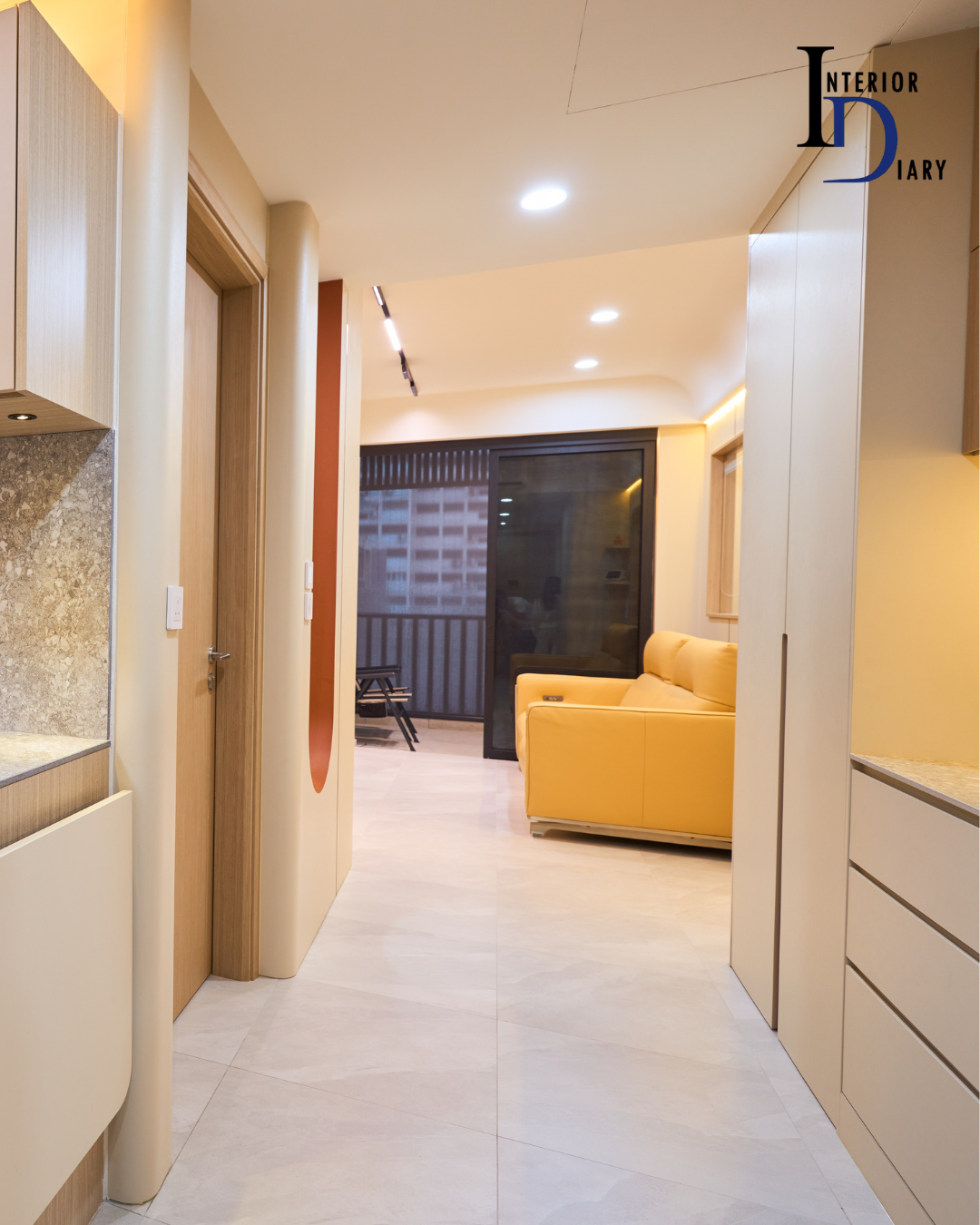
At Interior Diary, we understand the unique demands of designing for smaller condo units (check out the reno done for this condo at Guillemard Road). Our expertise in minimalist aesthetics, including Japandi and Wabi-Sabi principles, perfectly aligns with the need for efficient, beautiful, and serene spaces.
This guide will explore innovative design strategies, space-saving solutions, and essential considerations to help you maximize every square inch of your small condominium.
Embracing Minimalism: The Foundation of Small Condo Design
Minimalism isn’t just an aesthetic; it’s a philosophy that thrives in smaller spaces. By focusing on functionality, clean lines, and a clutter-free environment, minimalist design inherently makes a room feel larger and more organized. For small condos, this approach is not merely a choice but a strategic necessity.
Key Minimalist Principles for Small Condos:
•Decluttering: Ruthlessly remove anything that doesn’t serve a purpose or bring joy. A tidy space immediately feels bigger.
•Clean Lines: Opt for furniture and fixtures with simple, uncluttered designs. This creates a sense of order and visual calm.
•Neutral Color Palettes: While not strictly mandatory, a base of whites, greys, and light woods can make a space feel airy and expansive. Pops of color can be introduced through accessories.
•Quality over Quantity: Invest in fewer, high-quality pieces that are durable and well-designed, rather than many cheap, disposable items.
Interior Diary’s specialization in Japandi and Wabi-Sabi styles naturally incorporates these minimalist principles, emphasizing natural materials, functional beauty, and a serene atmosphere that is ideal for compact living.
Space-Saving Furniture: Your Best Allies
Multi-functional furniture is a game-changer for small condo interior design. These pieces work harder, offering dual or triple purposes, thereby reducing the need for multiple items and freeing up valuable floor space [1].
Essential Space-Saving Furniture Ideas:
•Murphy Beds/Wall Beds: Disappear into the wall when not in use, transforming a bedroom into a living area or home office during the day.
•Sofa Beds/Daybeds: Provide seating by day and an extra sleeping area for guests by night.
•Nesting Tables: A set of tables that fit neatly under each other, offering flexible surface area when needed and compact storage when not.
•Ottomans with Storage: Serve as extra seating, footrests, or coffee tables, all while concealing blankets, magazines, or other items.
•Foldable/Extendable Dining Tables: Expand to accommodate guests and fold down to save space for daily use.

•Built-in Wardrobes with Integrated Desks: Custom carpentry can combine storage with a workspace, seamlessly blending into the room’s design.
Singaporean homeowners can find a variety of these solutions from local suppliers like Spaceman and Castlery, which specialize in furniture for compact living.
Smart Layout Strategies for Compact Living
The way you arrange your furniture and define zones can dramatically impact the perceived size and functionality of your small condo.
Open-Concept Living
Combining living, dining, and kitchen areas into one fluid space is a popular strategy. This eliminates walls that break up sightlines, making the entire area feel larger and more connected. However, clear zoning is still crucial to prevent the space from feeling chaotic.
Zoning Techniques:

•Area Rugs: Define different functional zones (e.g., living, dining) within an open-concept layout.
•Low-Profile Furniture: Choose sofas and tables that don’t obstruct views, maintaining an open feel.
•Half-Walls or Partitions: Use partial walls, slatted screens, or even tall shelving units to subtly separate areas without completely closing them off.
•Strategic Lighting: Different lighting schemes can highlight specific zones, guiding the eye and creating distinct ambiances.
Illusion of Space: Colors, Lighting, and Mirrors
Creating the illusion of space is a powerful tool in small condo design. It’s about tricking the eye into perceiving more depth and openness than there actually is.
Color Psychology
•Light Colors: White, off-white, pale grey, and pastel shades reflect light, making walls recede and rooms appear larger. Use these for walls, ceilings, and large furniture pieces.
•Monochromatic Schemes: Using variations of a single color creates a seamless flow, avoiding visual breaks that can make a room feel chopped up.
Strategic Lighting
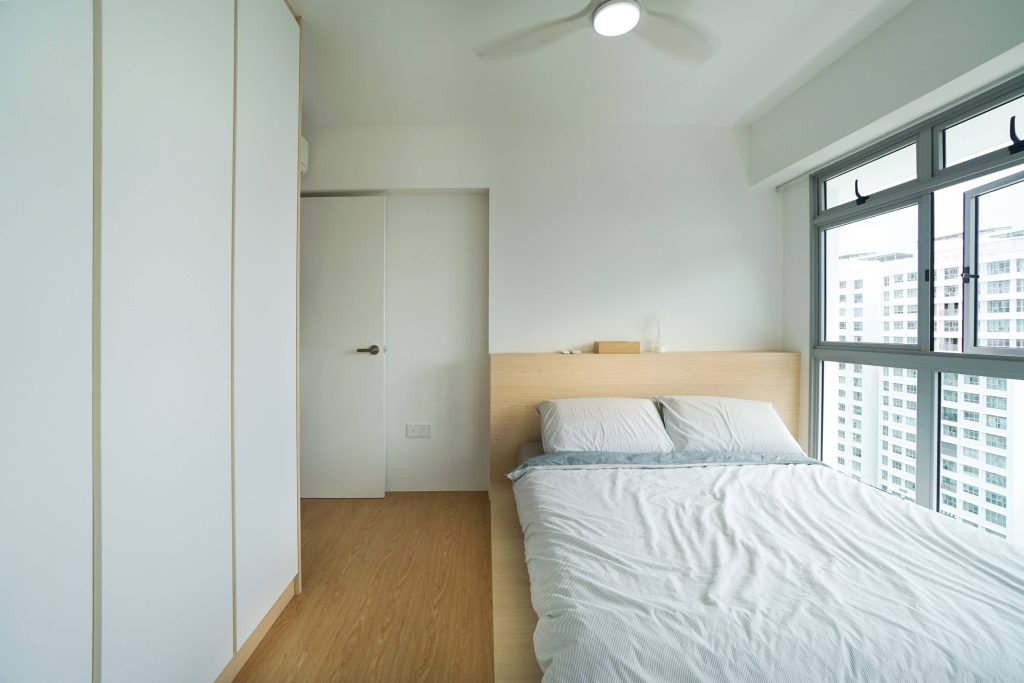
•Natural Light: Maximize natural light by keeping windows unobstructed. Use sheer curtains or blinds that can be fully drawn back.
•Layered Lighting: Combine ambient (general), task (for specific activities), and accent (to highlight features) lighting. Avoid a single overhead light, which can create harsh shadows and make a room feel smaller.
•Uplighting: Directing light upwards can make ceilings appear higher.
The Power of Mirrors
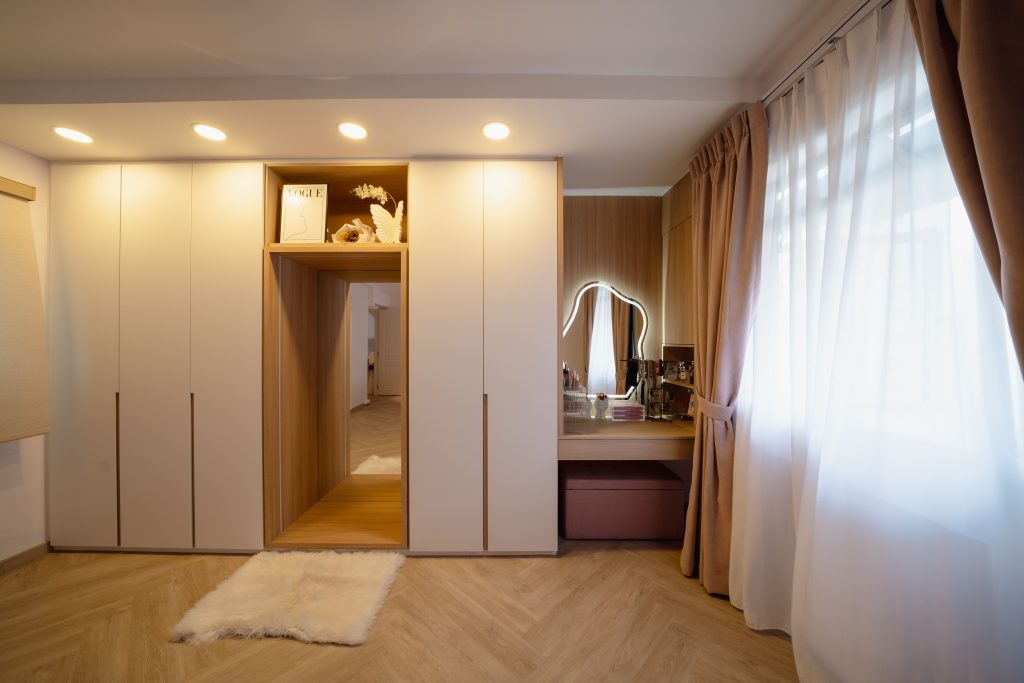
Mirrors are an interior designer’s secret weapon for small spaces. A large mirror strategically placed can:
•Reflect Light: Brighten a room by bouncing natural and artificial light.
•Create Depth: Give the illusion of an extended space, making a room feel twice its size.
•Add Visual Interest: A decorative mirror can serve as a focal point.
Vertical Storage: Maximizing Every Inch
When horizontal space is limited, look up! Vertical storage solutions are indispensable for keeping small condos organized and clutter-free.
Built-in vs. Freestanding
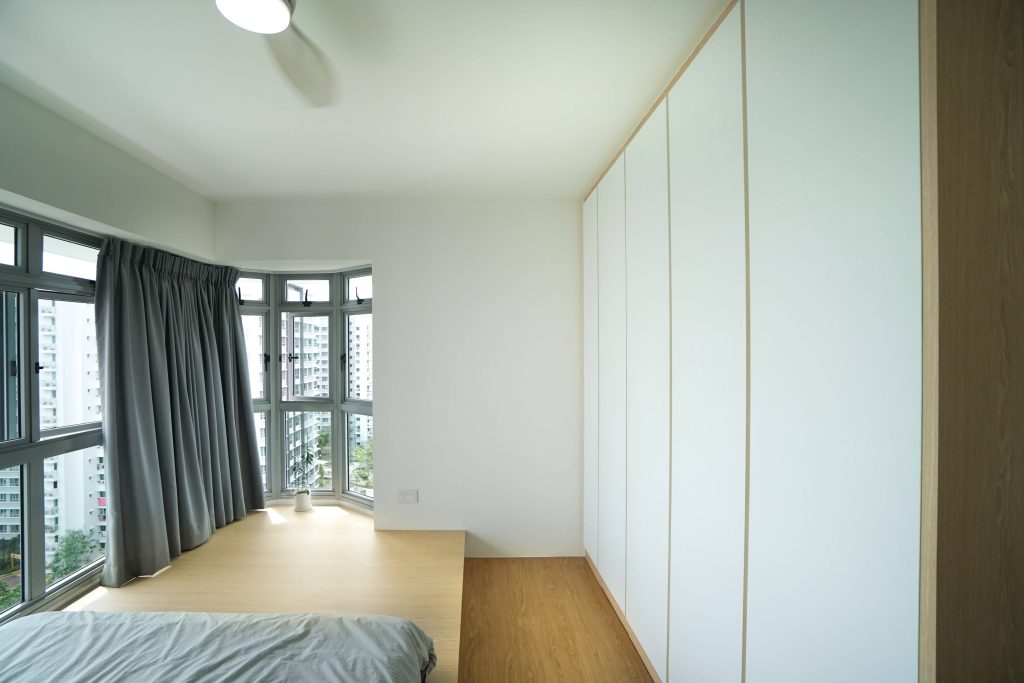
•Built-in Shelving and Cabinets: Custom-made units that extend from floor to ceiling can seamlessly integrate with your walls, providing ample storage without encroaching on floor space. This is where Interior Diary’s carpentry expertise shines.
•Floating Shelves: Offer open storage without the bulk of traditional bookcases, maintaining an airy feel.
•Wall-Mounted Units: TV consoles, desks, and even bedside tables can be mounted on walls to free up floor space.
Smart Storage Solutions:
•Under-Bed Storage: Drawers or lift-up mechanisms can turn the area under your bed into valuable storage.
•Over-the-Door Organizers: Utilize the often-overlooked space behind doors for shoes, toiletries, or cleaning supplies.
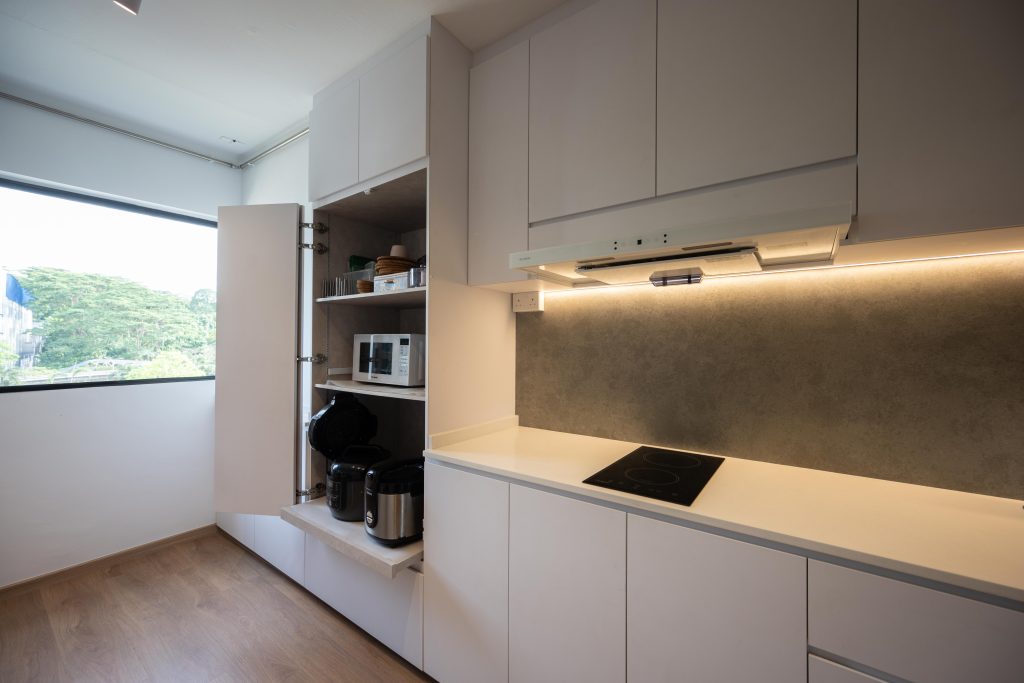
•Kitchen Pantry Pull-Outs: Maximize narrow cabinet spaces with pull-out shelves and organizers.
Kitchen and Bathroom Design for Small Condos
These two areas are often the most challenging in small condos due to the need for extensive plumbing and fixtures.
Kitchen Design
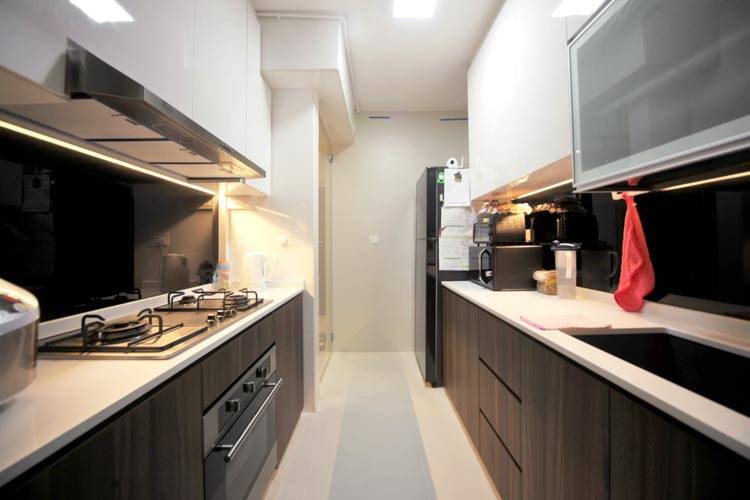
•Galley Kitchens: Efficient and compact, with two parallel countertops. Ideal for maximizing workflow in a narrow space.
•Light Colors and Reflective Surfaces: Use light-colored cabinetry and backsplashes (e.g., white, light grey, or glass) to make the kitchen feel larger.
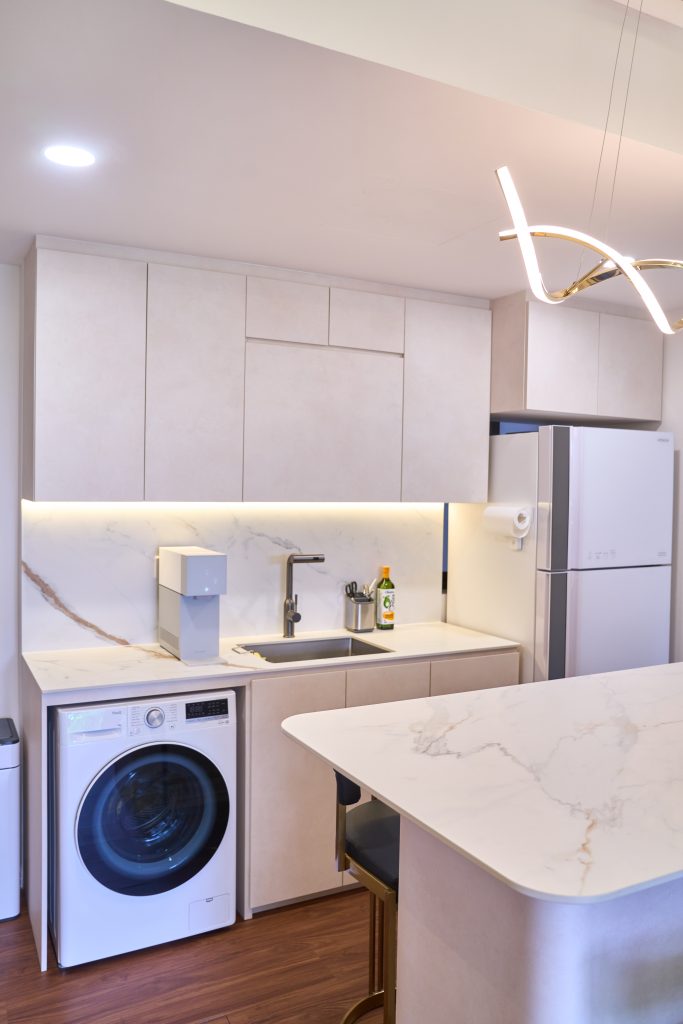
•Integrated Appliances: Dishwashers, refrigerators, and ovens that blend seamlessly with cabinetry create a streamlined look.
•Open Shelving: A few open shelves can replace upper cabinets to reduce visual bulk, but require meticulous organization.
Bathroom Design
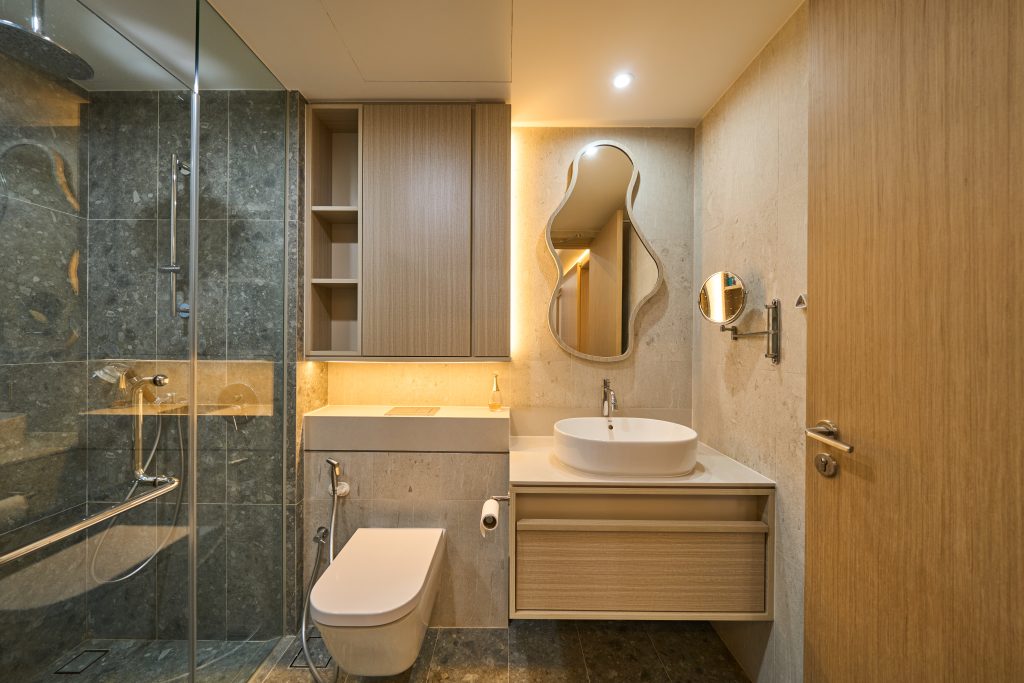
•Wall-Mounted Toilets and Sinks: Free up floor space, making the bathroom appear larger and easier to clean.
•Large Format Tiles: Fewer grout lines create a more expansive feel. Use light colors for walls and floors.
•Recessed Niches: Built-in shower niches provide storage for toiletries without protruding into the shower space.
•Sliding or Bi-Fold Shower Doors: Save space compared to traditional swing doors.
Balcony Transformation: Extending Your Living Space

In Singapore, even a small balcony can become a valuable extension of your living area. Don’t let it become a storage dumping ground.
•Outdoor Seating: Choose compact, weather-resistant furniture like bistro sets or built-in benches with storage.
•Vertical Gardens: Add greenery without taking up floor space, enhancing the connection to nature.
•Ambient Lighting: String lights or wall-mounted lanterns can create a cozy evening ambiance.
•Seamless Transition: Use similar flooring materials or colors between your indoor living area and the balcony to blur the boundaries.
Condo Renovation Regulations in Singapore: What You Need to Know
Unlike HDB flats, condominiums are private properties, but they still have renovation guidelines, primarily from the Building and Construction Authority (BCA) and your condo’s Management Corporation Strata Title (MCST).
Key Considerations:
•BCA Approval: Major structural changes (e.g., demolition of walls, altering load-bearing structures) require approval from the BCA. This is less common in small condo renovations but crucial to verify.
•MCST By-Laws: Your condo’s MCST will have specific by-laws regarding renovation hours, noise levels, waste disposal, and approved contractors. Always submit your renovation plans to the MCST for approval before starting any work.
•Permits: Certain works like plumbing, electrical, and air-conditioning may require permits from relevant authorities.
•Timeline: Factor in time for approvals from both BCA (if applicable) and MCST, which can add weeks to your project timeline.
Our project managers are well-versed in Singapore’s renovation regulations and will guide you through the necessary approvals, ensuring a smooth and compliant renovation process (you can even read our Google Reviews to check what our customers say!).
Your Condo, Big Style
Designing a small condo in Singapore doesn’t mean compromising on style or comfort. By embracing smart design principles, leveraging multi-functional furniture, and employing clever space-maximizing techniques, your compact home can feel expansive, luxurious, and uniquely yours. Interior Diary’s expertise in creating harmonious, functional, and aesthetically pleasing spaces, particularly with our specialization in Japandi and Wabi-Sabi, makes us the ideal partner to unlock the full potential of your small condominium.
Ready to transform your small condo into a spacious haven?
Book an Appointment with Interior Diary Today
Otherwise, you may also want to check out our overall guide on Condo Renovation in Singapore.
Frequently Asked Questions (FAQ)
Focus on multi-functional furniture and vertical storage. Every item should ideally serve more than one purpose or be integrated seamlessly into the design to save space.
Absolutely! Minimalism, Japandi, Scandinavian, and even a refined industrial style can work beautifully. The key is to maintain clean lines and avoid excessive ornamentation.
Invest in high-quality materials for key elements (e.g., a beautiful countertop, a statement light fixture), use layered lighting, and incorporate textures like velvet, silk, or natural wood. A well-designed, clutter-free space inherently feels more luxurious.
References:
1.7 Space-Saving Hacks for Modern Small Condo Design in Singapore
2.Space saving furniture in Singapore – Spaceman
3.Small Space and Apartment Furniture | Castlery Singapore
4.Renovation, Maintenance and Building Works for Private Properties